


The Turkey Trade: How Swapping Birds Helped Conservation Efforts
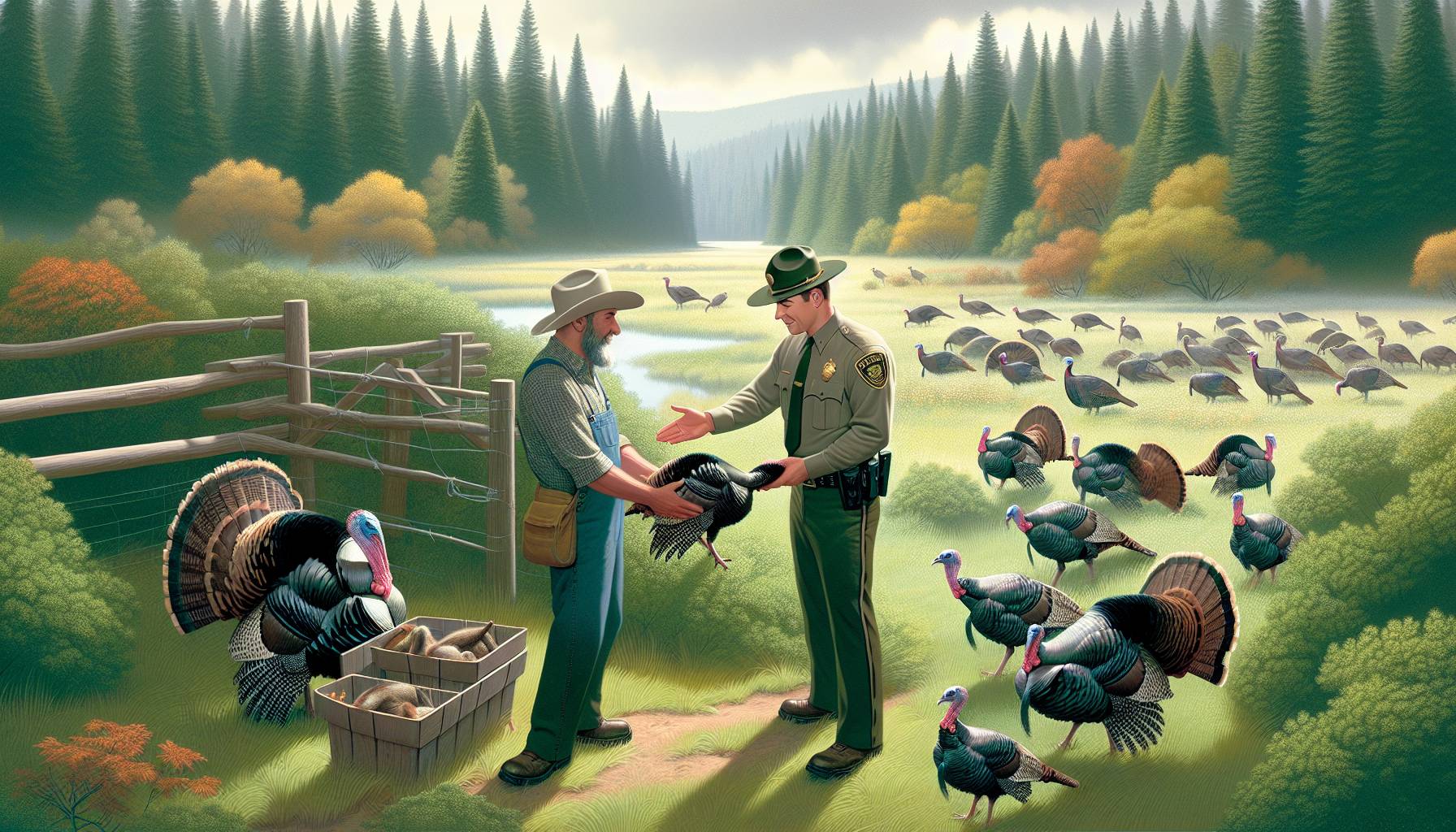
Swappingturkeysforwildlifemanagement, notfordinner, wasacommonpracticethatcontributedtotherestorationofthewildturkeypopulationinNorthAmerica.
用火雞進行野生動物管理(而不是作為晚餐)是一種常見的做法,這有助於恢復北美野生火雞的數量。
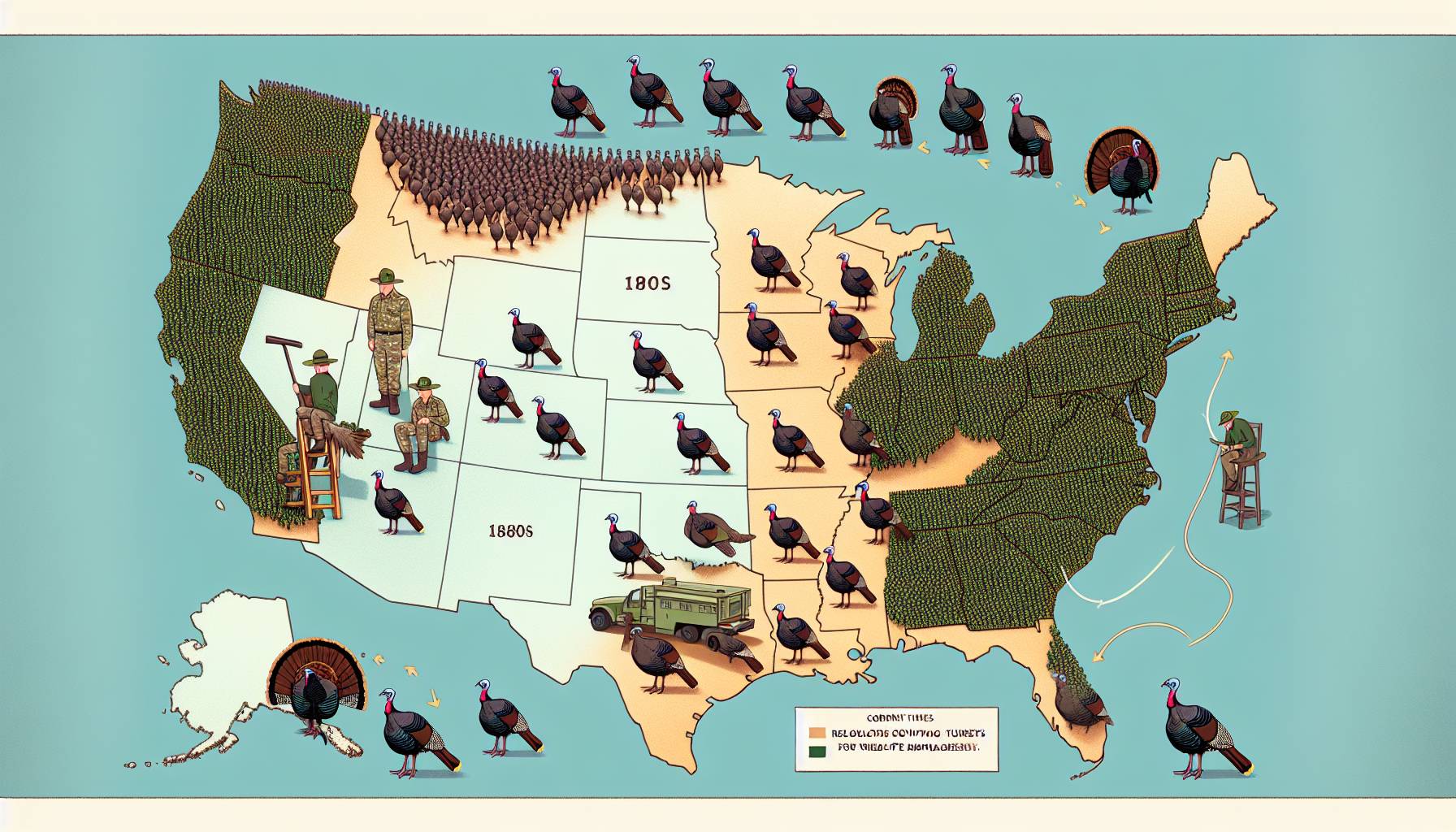
Thewildturkeypopulationhaddwindledtoafewthousandbirdsinthelate1880sbuthassincegrowntoabout7millionbirdsin49states.
19 世紀 80 年代末,野生火雞的數量銳減至數千隻,但此後已增長到 49 個州的約 700 萬隻。
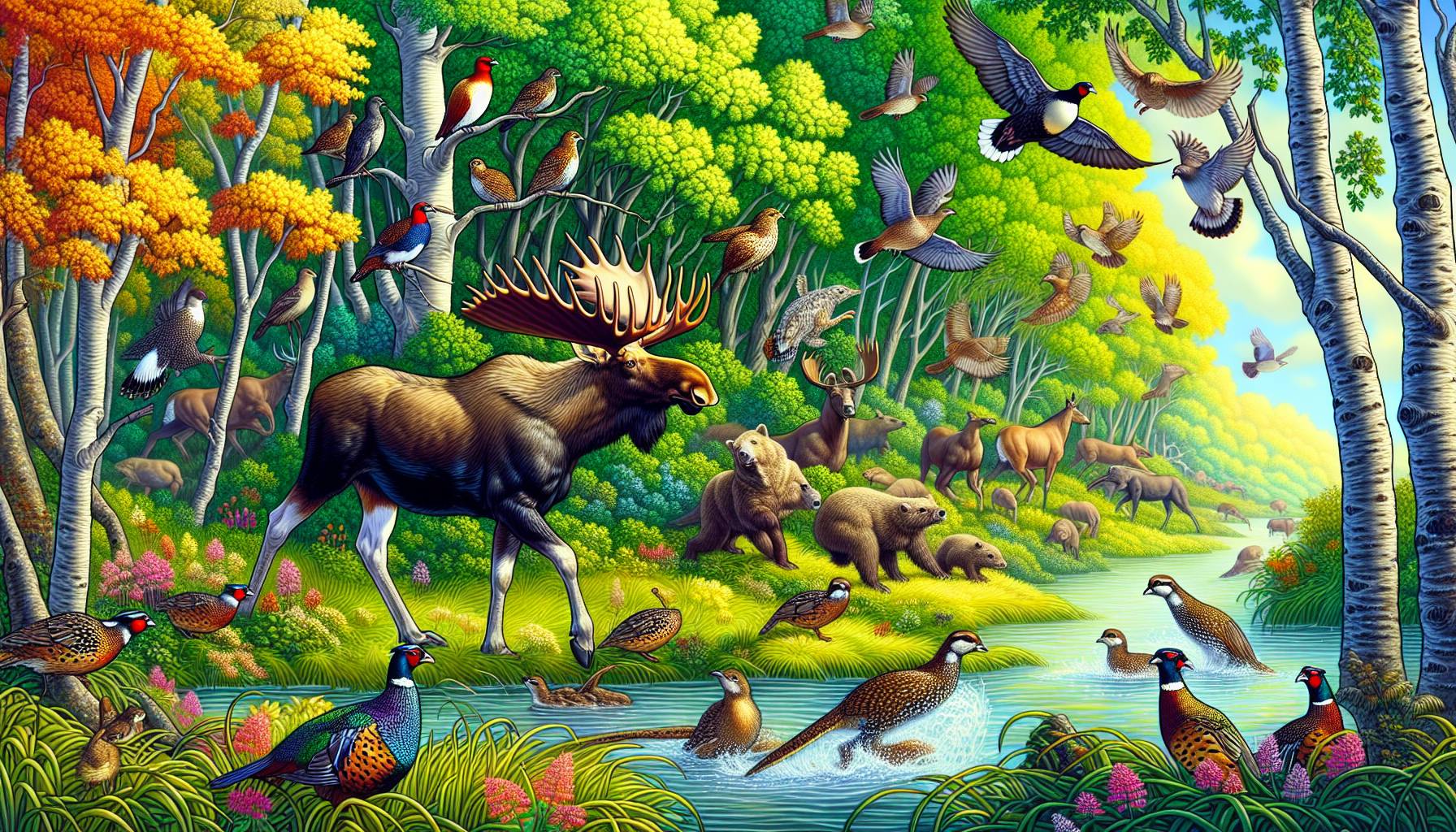
Manyrestorationeffortsinvolvedswappingturkeysforotheranimals. Forexample, Ontariotradedturkeysformoose, riverotters, andpartridge.
許多物種恢復工作都涉及用火雞交換其他動物。例如,安大略省就用火雞交換了駝鹿、水獺和鷓鴣。
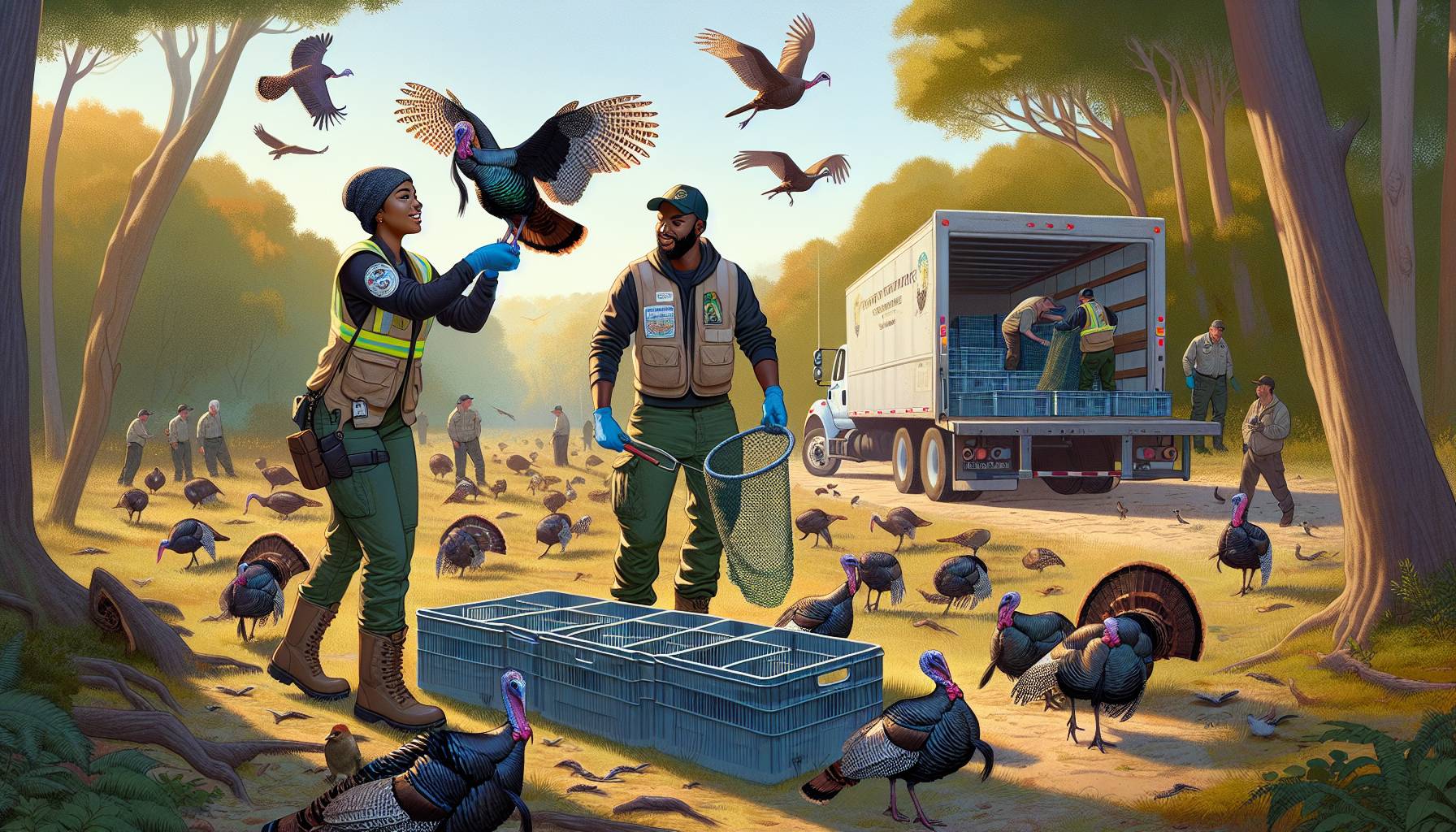
Wildturkeyswereabundantacrossthe U.S. until themid-1800s, whendeforestationandunregulatedhuntingledtoapopulationdecline.
直到 19 世紀中期,野生火雞在美國各地都很常見,但隨著森林砍伐和無節制的狩獵,數量開始下降。
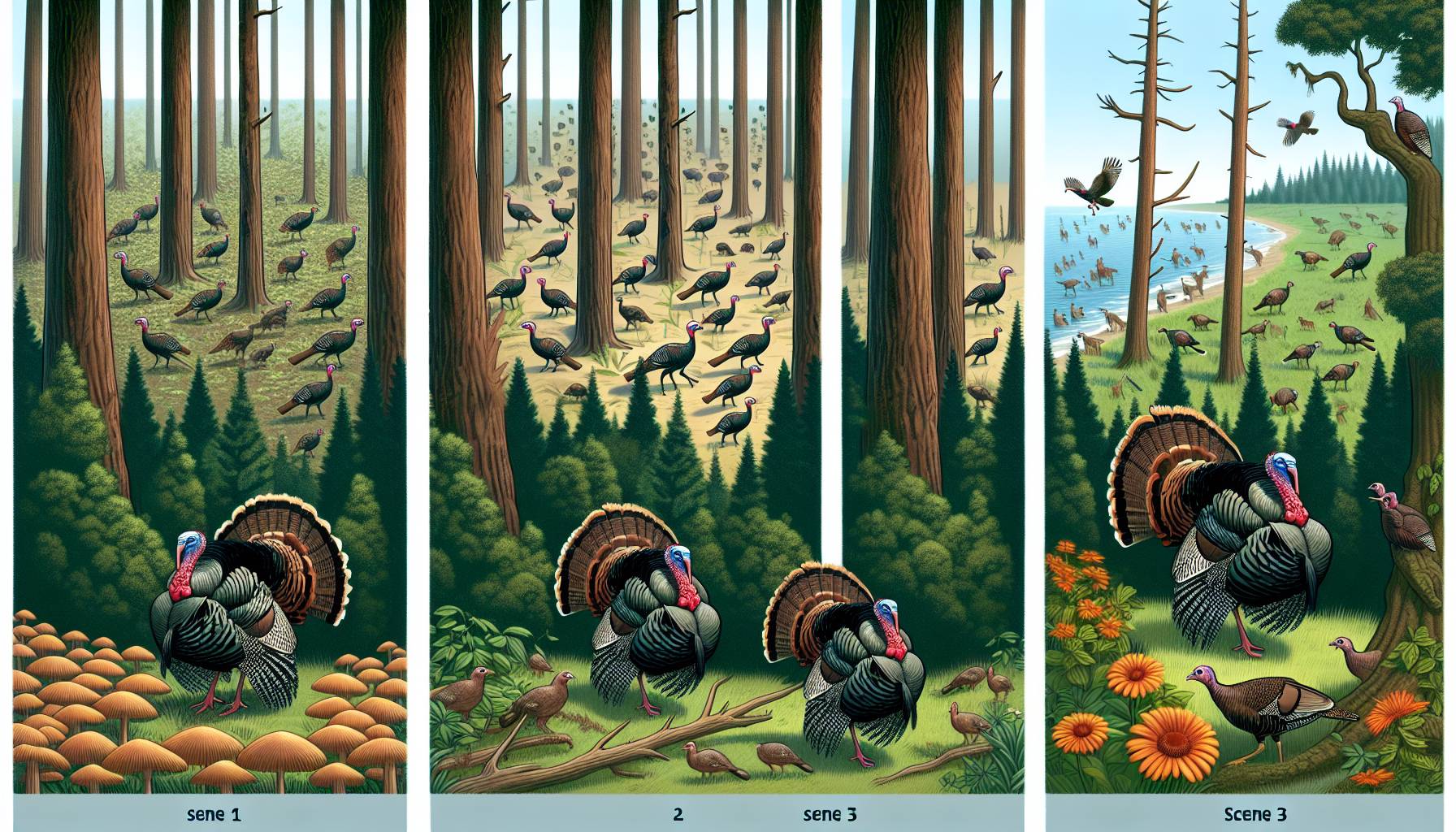
Earlyrestorationeffortsinthe1940sand50sfocusedonraisingturkeysonfarms, butlatereffortssawsuccesswhencapturingwildturkeysandrelocatingthem.
1940 年代和 1950 年代的早期復育工作主要集中在農場飼養火雞,但後來透過捕捉野生火雞並將其遷移而取得了成功。
Swapping turkeys for wildlife management, not for dinner, was a common practice that contributed to the restoration of the wild turkey population in North America.
The wild turkey population had dwindled to a few thousand birds in the late 1880s but has since grown to about 7 million birds in 49 states.
Many restoration efforts involved swapping turkeys for other animals. For example, Ontario traded turkeys for moose, river otters, and partridge.
Wild turkeys were abundant across the U.S. until the mid-1800s, when deforestation and unregulated hunting led to a population decline.
Early restoration efforts in the 1940s and 50s focused on raising turkeys on farms, but later efforts saw success when capturing wild turkeys and relocating them.
Play News
or click any sentence to play