



Bride Grows Own Flowers for Wedding, Sheds Light on Hidden Costs
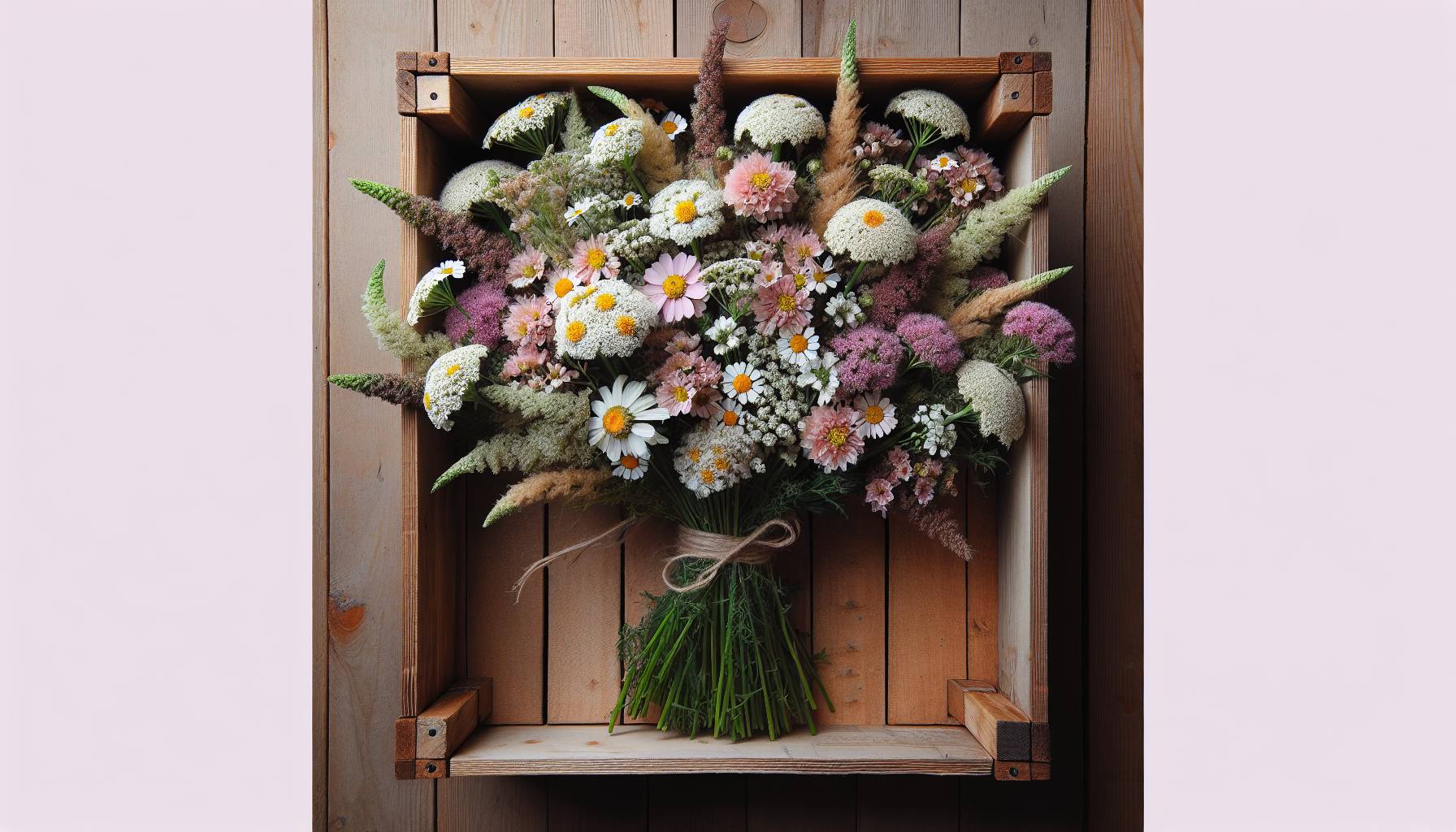
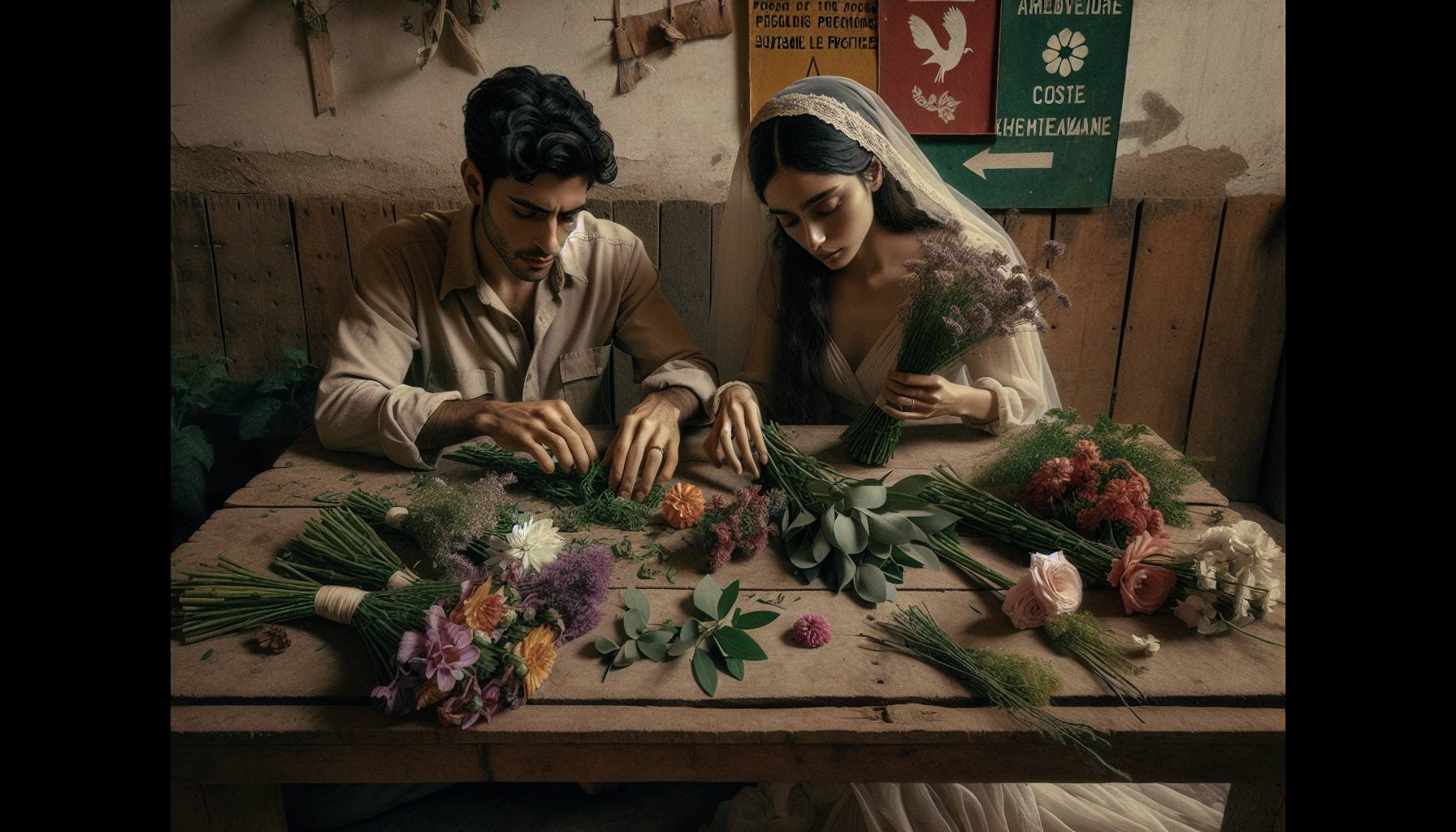
EmilyDaychosetogrowherownflowersforherweddinginsteadofhiringaflorist.
艾蜜莉戴選擇自己種植婚禮用花,而不是聘請花藝師。
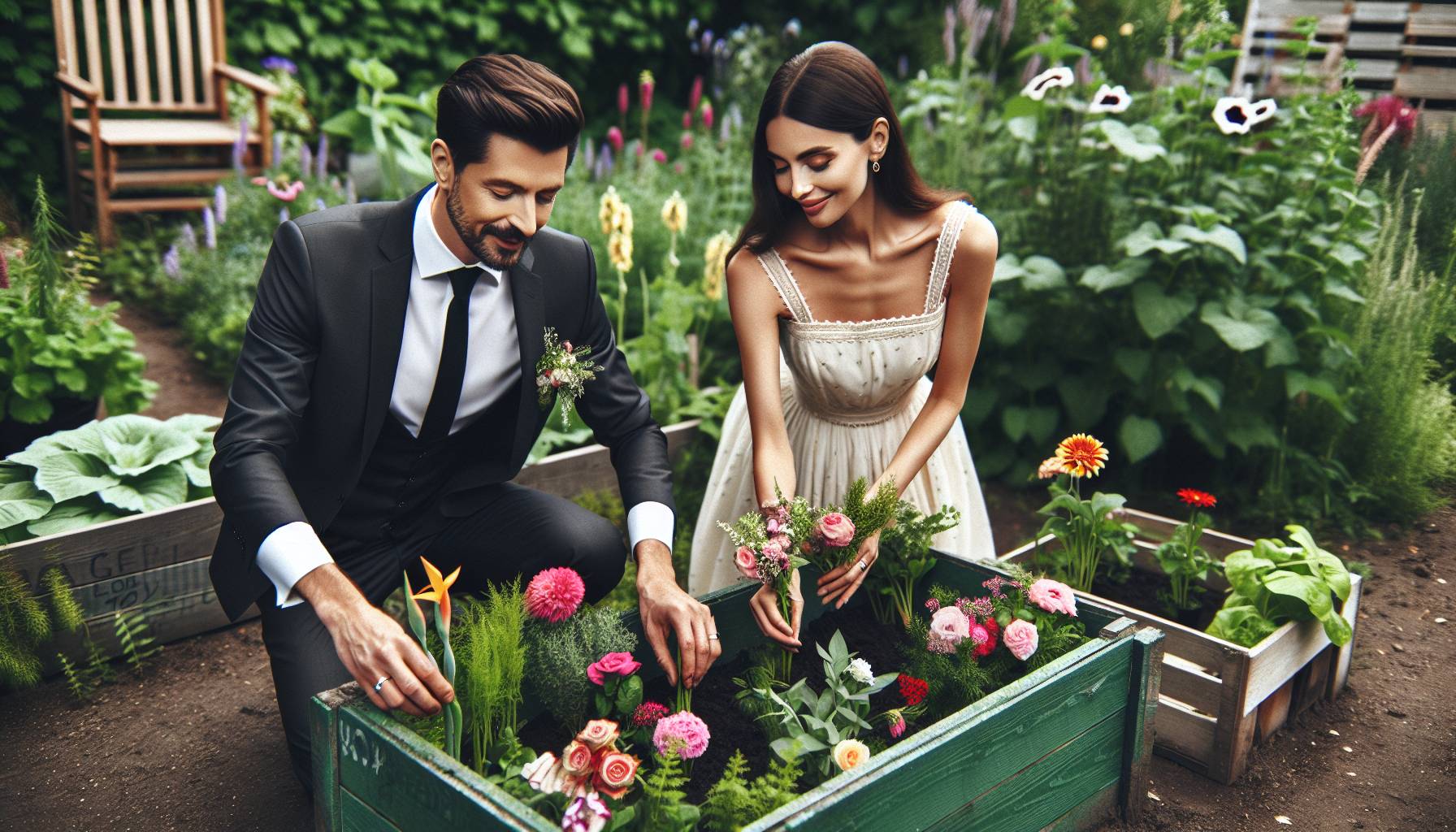
Sheandherfianceharvestedbloomslikeyarrow, feverfew, strawflowers, andstaticefromgardenboxestheybuiltfromwoodenshippingcontainers.
她和她的未婚夫從他們用木製貨櫃建造的花園箱裡採摘了蓍草、小白菊、蠟菊和勿忘我等花卉。
Thehomegrownarrangementswerebeautifulandcost-effective, highlightingthehiddenenvironmentalcostsoftheglobalflowerindustry.
這些本土種植的花卉既美觀又經濟實惠,凸顯了全球花卉產業隱藏的環境成本。
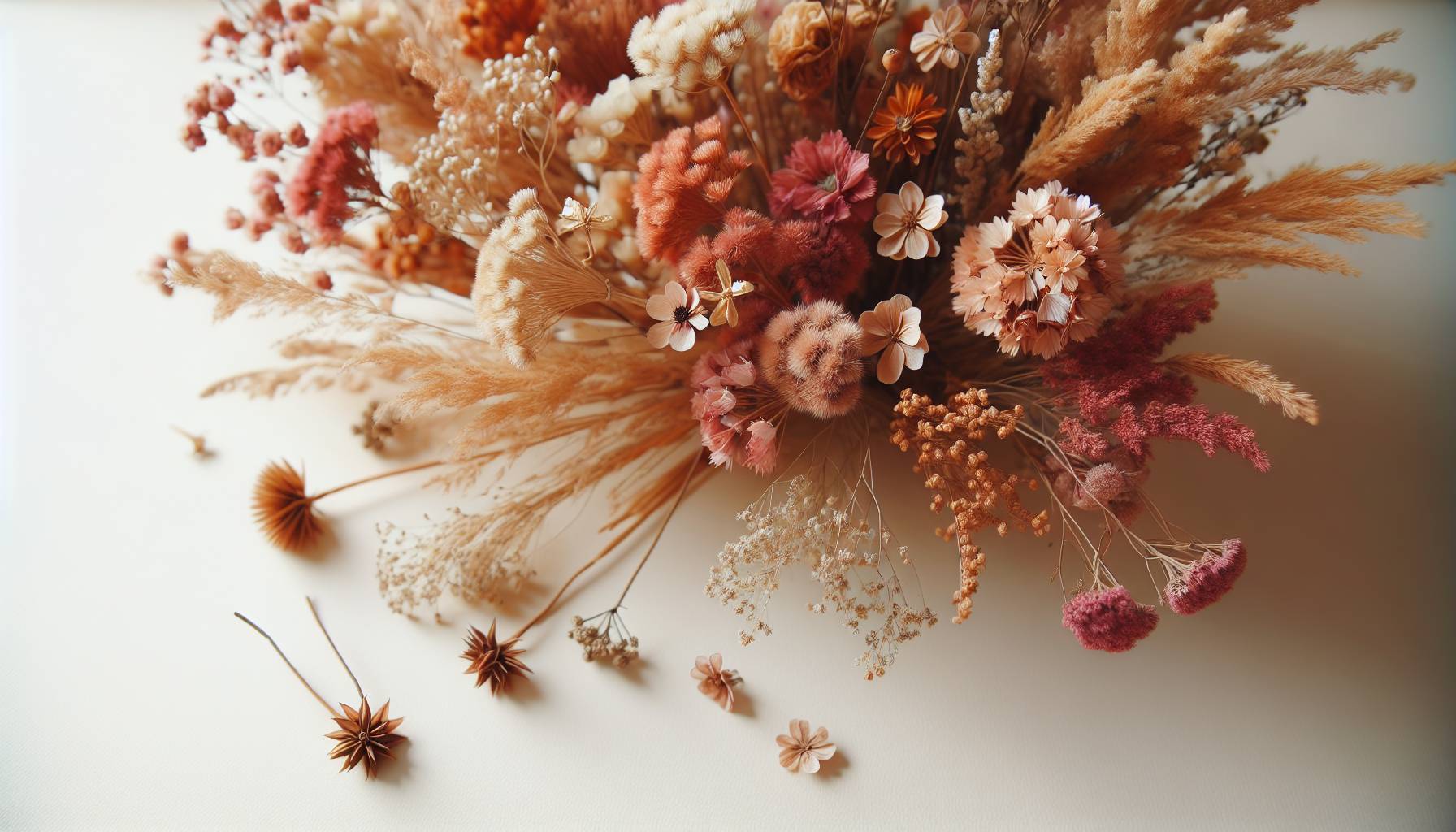
Day'sbouquetsfeaturingautumnshadeslastedlongerbecausetheflowersweredried, costingheronlyafractionofwhatcouplespayflorists.
Day 的花束以秋季色調為主,因為花朵是乾燥花,所以保鮮時間更長,而且花費僅為新人支付給花店費用的一小部分。
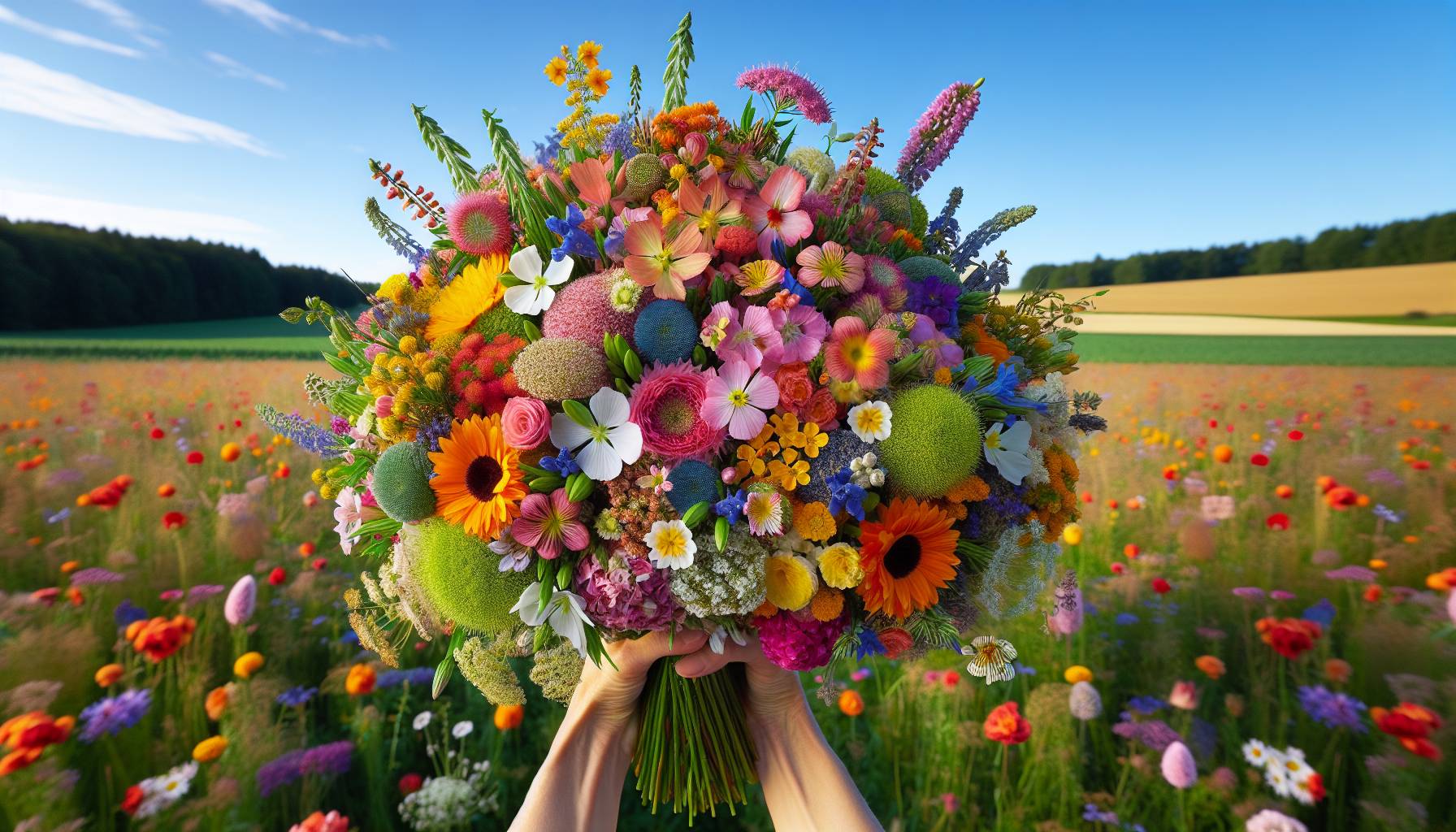
Bygrowingtheirownflowers, Dayandotherenvironmentallyconsciousindividualsarebecomingmoreawareoftheenvironmentalimpactsofimportedblooms.
透過自己種植花卉,戴伊和其他有環保意識的人們越來越意識到進口花卉對環境的影響。
GenerationZandmillennialsareincreasinglyincorporatingsustainabilityintoeventslikeweddings, optingforlocal, seasonal, andsustainablefloralpractices.
Z世代和千禧世代越來越傾向於將永續性融入婚禮等活動中,選擇本地、當季和可持續的花卉。
Thetraditionalflowerindustry'srelianceonimportedbloomsposesenvironmentalchallenges, includingcarbonemissionsandmonoculturepracticesthatharmecosystems.
傳統花卉產業依賴進口花卉,這給環境帶來了許多挑戰,包括碳排放和單一栽培做法,這些都會損害生態系統。
ProfessionalslikeHollyLukasiewiczarepromotingsustainabilityinthefloralindustrybysourcinglocally, avoidingnon-biodegradablematerials, andcompostingflowersafterevents.
像霍莉·盧卡西維茨這樣的專業人士正在透過本地採購、避免使用不可生物降解的材料以及在活動結束後對鮮花進行堆肥來促進花卉行業的可持續發展。
NeilAndersonandDebraPrinzingadvocateforsupportinglocal, seasonalflowerstoreducetheenvironmentalimpactofthefloralindustry, makingeventsmoremeaningfulandeco-friendly.
尼爾安德森和黛布拉普林辛倡導支持本地當季鮮花,以減少花卉產業對環境的影響,使活動更有意義、更環保。
Emily Day chose to grow her own flowers for her wedding instead of hiring a florist.
She and her fiance harvested blooms like yarrow, feverfew, strawflowers, and statice from garden boxes they built from wooden shipping containers.
The homegrown arrangements were beautiful and cost-effective, highlighting the hidden environmental costs of the global flower industry.
Day's bouquets featuring autumn shades lasted longer because the flowers were dried, costing her only a fraction of what couples pay florists.
By growing their own flowers, Day and other environmentally conscious individuals are becoming more aware of the environmental impacts of imported blooms.
Generation Z and millennials are increasingly incorporating sustainability into events like weddings, opting for local, seasonal, and sustainable floral practices.
The traditional flower industry's reliance on imported blooms poses environmental challenges, including carbon emissions and monoculture practices that harm ecosystems.
Professionals like Holly Lukasiewicz are promoting sustainability in the floral industry by sourcing locally, avoiding non-biodegradable materials, and composting flowers after events.
Neil Anderson and Debra Prinzing advocate for supporting local, seasonal flowers to reduce the environmental impact of the floral industry, making events more meaningful and eco-friendly.
播放
或點擊任何段落開始播放
更多新聞

Creative and Sustainable Holiday Gift Ideas to Reduce Environmental Impact

Tips for Keeping Holiday Greenery Fresh

Increase in Bird Species Street Names According to New Research
Growing Exotic Pet Trade Raises Conservation Concerns

Using drones to study elephants in Kenya
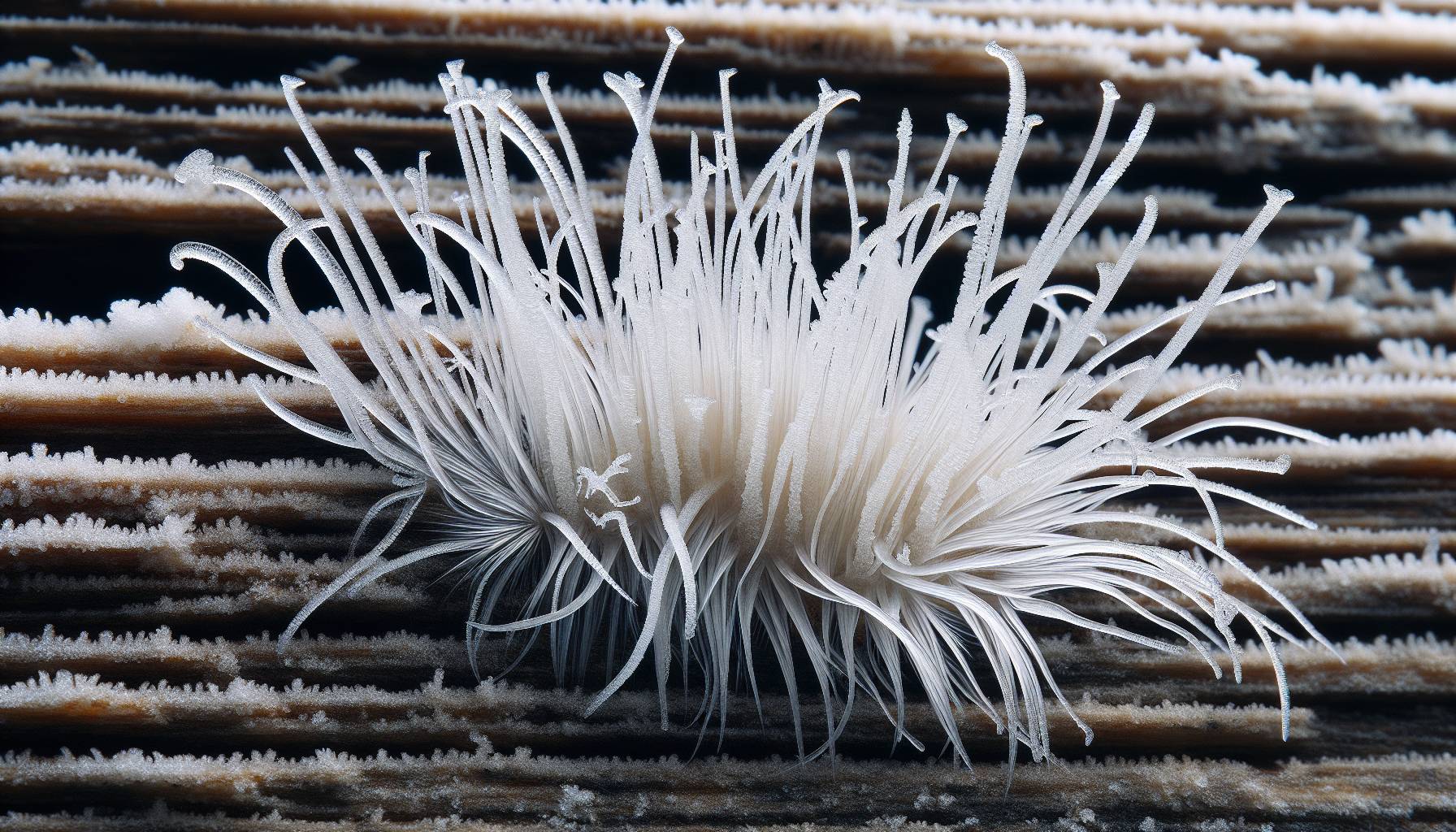
Rare Hair Ice Formations Spotted in England

更多新聞
Creative and Sustainable Holiday Gift Ideas to Reduce Environmental Impact
Tips for Keeping Holiday Greenery Fresh
Increase in Bird Species Street Names According to New Research
Growing Exotic Pet Trade Raises Conservation Concerns
Using drones to study elephants in Kenya
Rare Hair Ice Formations Spotted in England