


How to Scarify Seeds for Successful Sprouting

I’mcurrentlydustingoffmyseed-startingsuppliesandsortingthroughseedpacketsfromyearspast.
我目前正在整理我的育苗用品,翻出往年的種子包裝袋。
Seedstartingisanannualritualformanygardeners, butifyou’renewtotheparty, itwouldbehelpfultoknowthatnotallseedsshouldbetreatedthesameway.
播種是許多園丁每年必做的儀式,但如果你是新手,那麼了解並非所有種子都應該以相同的方式對待會很有幫助。
Manyseedsonlyrequiresoilandwatertosprout.
許多種子只需要土壤和水就能發芽。

Others, however, haveahardercoatingthatmakesgerminationabitdifficult.
然而,有些種子外殼較硬,發芽比較困難。
Inthewild, someseedsrelyonbirdsandotherwildlifetocarrythemfardistancesbeforedroppingthemtoensurebiodiversity.
在野外,有些種子依靠鳥類和其他野生動物將它們帶到很遠的地方,然後再散落下來,以確保生物多樣性。
Thetoughoutercoatingofseedsallowsthemtosurvivethroughananimal’sdigestivetractandpreventsprematuresproutingincoldtemperatures.
種子堅硬的外殼使其能夠通過動物的消化道,並防止在低溫下過早發芽。
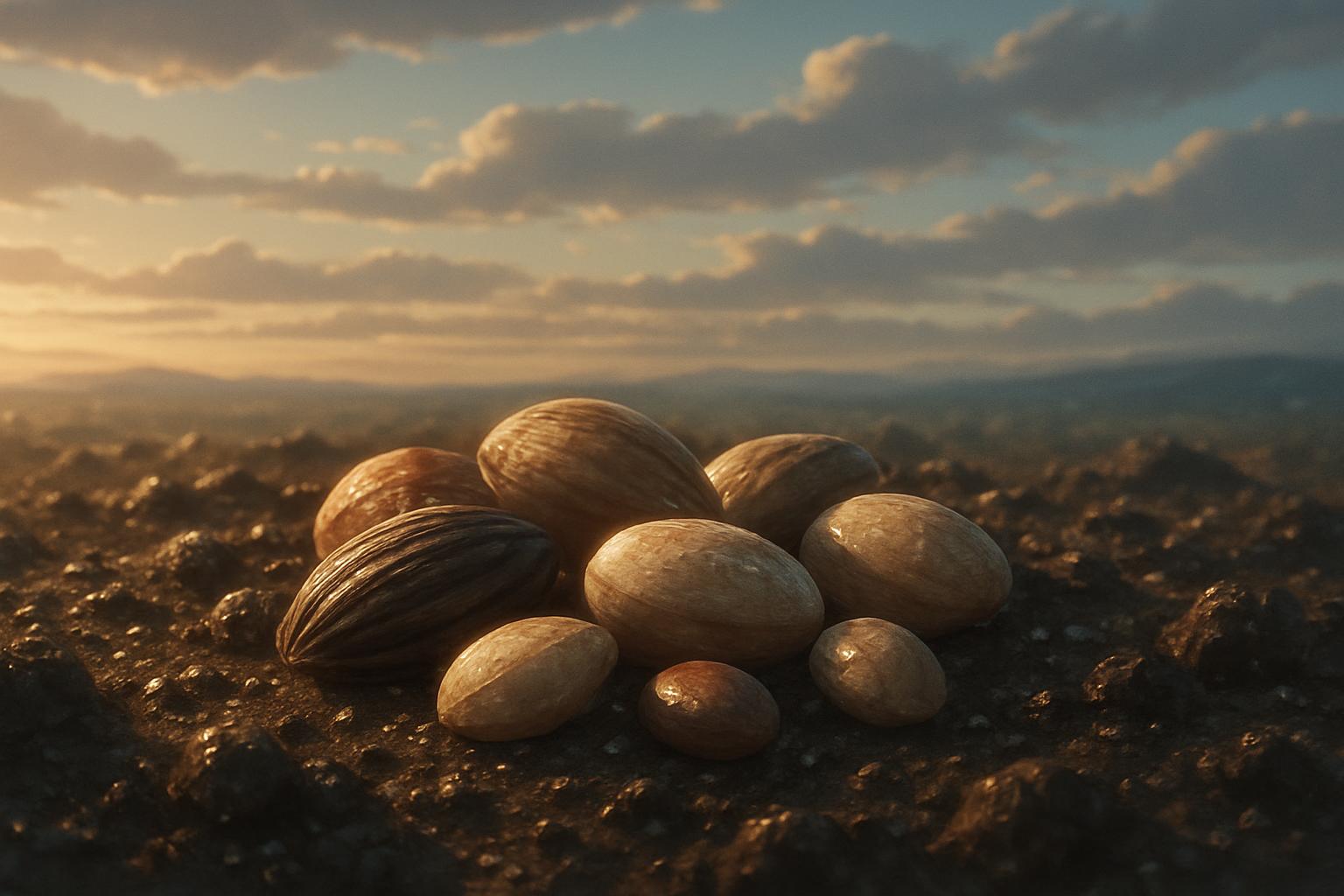
Tohelptheseseedssprouteasily, homegardenerscanmimictheeffectsofstomachacidthroughscarification.
為了幫助這些種子更容易發芽,家庭園丁可以透過刮痕法來模擬胃酸的作用。
Scarificationinvolvesvarioussimplemethodslikerubbingseedslightlyagainstsandpaperorsoakingtheminwarmwaterbeforeplanting.
種子處理包括多種簡單的方法,例如在播種前用砂紙輕輕摩擦種子或將種子浸泡在溫水中。
Thisprocesshelpsexposetheseed’sinnerlayerformoisturetopenetrate, promotingsuccessfulsproutingandgrowth.
這個過程有助於暴露種子內部,使水分能夠滲透,從而促進種子成功發芽和生長。

Althoughscarificationisnotabsolutelyrequired, itcansignificantlyimprovethegerminationrateandspeedforvariousplantspecies.
雖然並非絕對需要進行種子處理,但它可以顯著提高各種植物的發芽率和發芽速度。
SomecommonannualsandperennialsthatbenefitfromscarificationincludeIndianmallow, columbine, hollyhock, sweetalyssum, andmore.
一些常見的一年生和多年生植物,如錦葵、耬斗菜、蜀葵、香雪球等,都可透過刮痕處理而受益。
Edibleplantslikebeans, luffa, spinach, strawberry, andwintersquashalsorespondwelltoscarification.
豆類、絲瓜、菠菜、草莓和冬瓜等可食用植物也對刮痕處理有良好的反應。
Persistentseedslikechickpeas, limabeans, andnasturtiumsmayrequireacombinationofnickingorsandingfollowedbysoakingtoachievesuccessfulgermination.
像鷹嘴豆、利馬豆和旱金蓮這樣的頑強種子,可能需要先用刀劃破或用砂紙打磨,然後再浸泡,才能成功發芽。
I’m currently dusting off my seed-starting supplies and sorting through seed packets from years past.
Seed starting is an annual ritual for many gardeners, but if you’re new to the party, it would be helpful to know that not all seeds should be treated the same way.
Many seeds only require soil and water to sprout.
Others, however, have a harder coating that makes germination a bit difficult.
In the wild, some seeds rely on birds and other wildlife to carry them far distances before dropping them to ensure biodiversity.
The tough outer coating of seeds allows them to survive through an animal’s digestive tract and prevents premature sprouting in cold temperatures.
To help these seeds sprout easily, home gardeners can mimic the effects of stomach acid through scarification.
Scarification involves various simple methods like rubbing seeds lightly against sandpaper or soaking them in warm water before planting.
This process helps expose the seed’s inner layer for moisture to penetrate, promoting successful sprouting and growth.
Although scarification is not absolutely required, it can significantly improve the germination rate and speed for various plant species.
Some common annuals and perennials that benefit from scarification include Indian mallow, columbine, hollyhock, sweet alyssum, and more.
Edible plants like beans, luffa, spinach, strawberry, and winter squash also respond well to scarification.
Persistent seeds like chickpeas, lima beans, and nasturtiums may require a combination of nicking or sanding followed by soaking to achieve successful germination.
Play News
or click any sentence to play
More News coming up