



Rare bird thought to be extinct after 30 years

Abirdthatwaslastseennearly30 yearsago, isnowthoughttobeextinctaccordingtoconservationgroups.
據保護組織稱,這種鳥類最後一次出現是在近 30 年前,現在被認為已經滅絕。
TheSlender-billedCurlew, asit'scalled, couldbethefirstrecordedglobalbirdextinctionfrommainlandEurope, northAfricaandwestAsia.
細嘴杓鷸可能是歐洲大陸、北非和西亞第一種有記錄的全球鳥類滅絕。
Iftheextinctionisconfirmed, itwilljoinjust164birdsrecognisedasextinctontheIUCNRedList, whichmonitorstheriskofextinctionamongstanimalspecies.
如果滅絕事件得到證實,它將加入世界自然保護聯盟紅色名錄中僅被認定為滅絕的 164 種鳥類的行列,該名錄負責監測動物物種的滅絕風險。

ScientistsfromtheRSPB, BirdLifeInternational, NaturalisBiodiversityCentreintheNetherlandsandNaturalHistoryMuseumpublishedareportonthebird.
來自皇家鳥類保護協會、國際鳥盟、荷蘭自然生物多樣性中心和自然歷史博物館的科學家發表了一份關於這種鳥類的報告。
Inittheysaythattherehasnotbeenanyconfirmed'sightingssince 1995.'
他們在報告中稱,「自 1995 年以來,還沒有任何經過證實的目擊事件」。
CombiningtheirresearchwiththatoftheIUCN, theyestimatethatthehasa96%probabilityofbeingextinct.
結合他們的研究和世界自然保護聯盟的研究,他們估計有 96% 的可能性滅絕。

NicolaCrockford, PrincipalPolicyOfficerfortheRSPBsaid:“Thisisoneofthemostfundamentallydevastatingstoriestocomeoutofnatureconservationinacentury.
皇家鳥類保護協會首席政策長尼古拉·克羅克福德 (Nicola Crockford) 表示:「這是一個世紀以來自然保育領域最具破壞性的故事之一。
ThelastreportedsightingofthebirdwasinFebruary 1995inMorocco.
最後一次報告稱看到這種鳥是在 1995 年 2 月在摩洛哥。
ThereportsaysthatthecauseofthedeclineoftheSlender-billedCurlewmightneverbeunderstoodfully.
報導稱,細嘴杓鷸數量減少的原因可能永遠無法被完全理解。
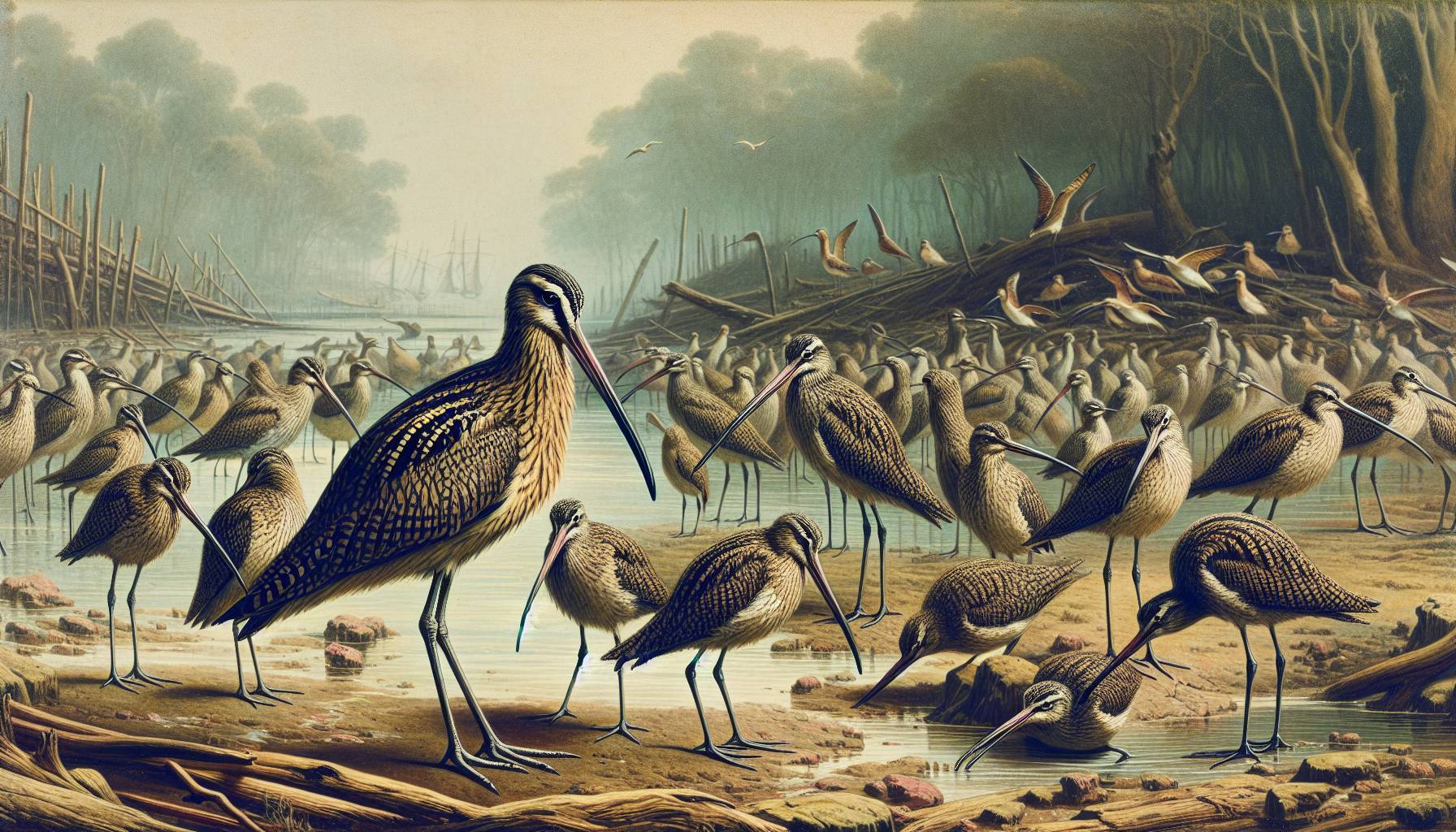
Howeverscientistsbelievethattherecouldhavebeenimpactsfrompollution, disease, climatechangeandlossofhabitat-theareaswherethebirdwouldnaturallyliveandhaveaccesstofood.
然而科學家認為,污染、疾病、氣候變遷和棲息地(鳥類自然生活和獲取食物的區域)喪失可能會產生影響。
DrAlexBond, SeniorCuratorinChargeofBirdsattheNaturalHistoryMuseum, hasbeenpartoftheteaminvestigatingwhat'shappenedtotheCurlew.
自然史博物館負責鳥類的高級館長亞歷克斯·邦德博士是調查杓鷸遭遇的團隊的一員。
DrBondsays:“Asclimatechangecontinues-Thingsarenotgettingbetterforbirds.
邦德博士說:「隨著氣候變遷的持續,鳥類的情況並沒有好轉。
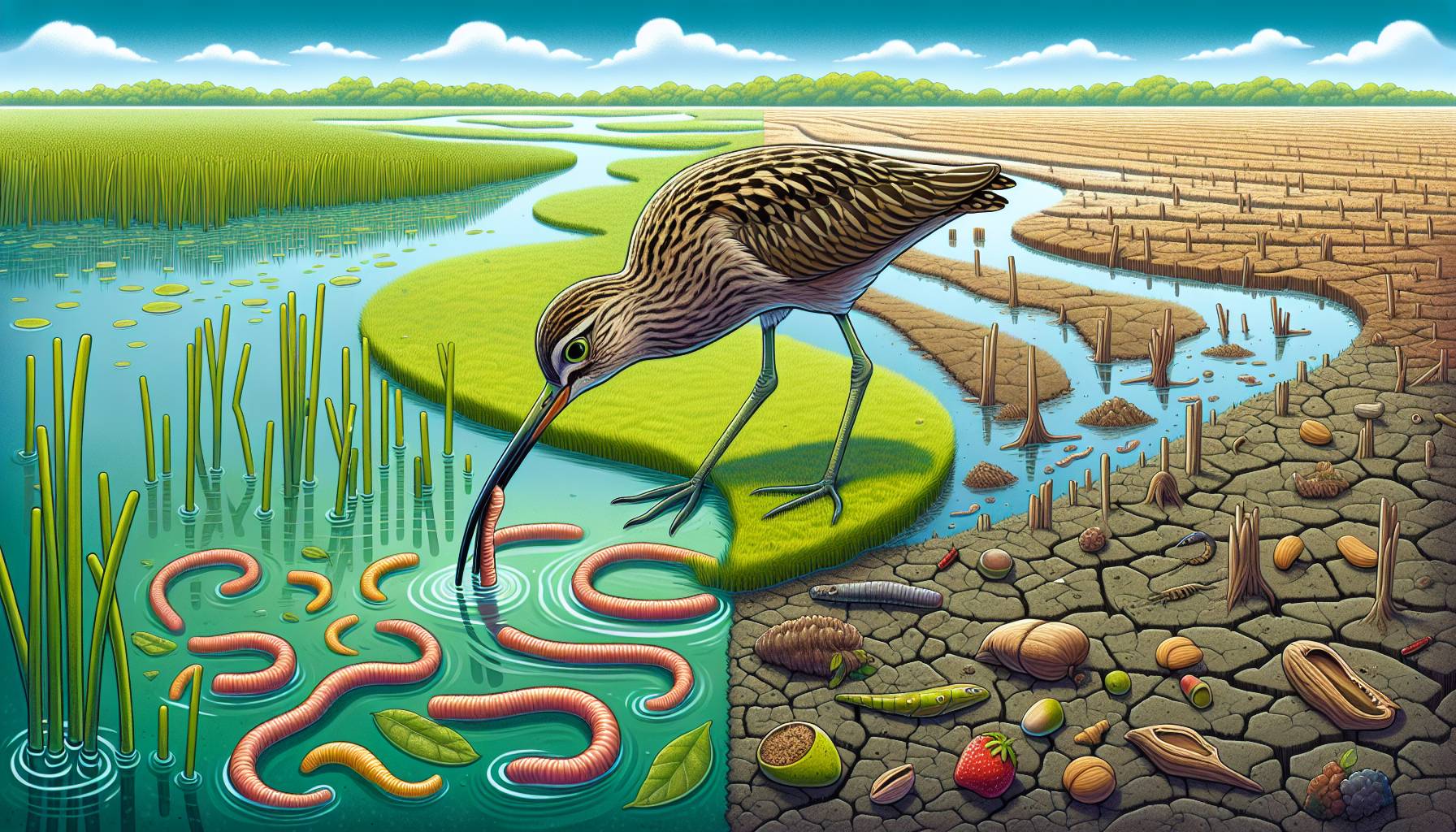
Tacklingclimatechange, habitatdestructionandpollutionisthebestchancewe’vegotatprotectingthem, athomeandabroad.”
應對氣候變遷、棲息地破壞和污染是我們在國內外保護它們的最佳機會。
A bird that was last seen nearly 30 years ago, is now thought to be extinct according to conservation groups.
The Slender-billed Curlew, as it's called, could be the first recorded global bird extinction from mainland Europe, north Africa and west Asia.
If the extinction is confirmed, it will join just 164 birds recognised as extinct on the IUCN Red List, which monitors the risk of extinction amongst animal species.
Scientists from the RSPB, BirdLife International, Naturalis Biodiversity Centre in the Netherlands and Natural History Museum published a report on the bird.
In it they say that there has not been any confirmed 'sightings since 1995.'
Combining their research with that of the IUCN, they estimate that the has a 96% probability of being extinct.
Nicola Crockford, Principal Policy Officer for the RSPB said: “This is one of the most fundamentally devastating stories to come out of nature conservation in a century.
The last reported sighting of the bird was in February 1995 in Morocco.
The report says that the cause of the decline of the Slender-billed Curlew might never be understood fully.
However scientists believe that there could have been impacts from pollution, disease, climate change and loss of habitat - the areas where the bird would naturally live and have access to food.
Dr Alex Bond, Senior Curator in Charge of Birds at the Natural History Museum, has been part of the team investigating what's happened to the Curlew.
Dr Bond says: “As climate change continues - Things are not getting better for birds.
Tackling climate change, habitat destruction and pollution is the best chance we’ve got at protecting them, at home and abroad.”
Play News
or click any sentence to play
More News coming up


Simple Storage Tips to Reduce Food Waste and Help the Planet

Activists Promote Joy in Climate Change Fight

A Brief History of Earth Day and Its Global Impact

Understanding Sustainable Seafood Choices

Gardening with Less Plastic: Tips for Eco-Friendly Practices

The Versatile Strawberry Pot: Growing More Than Just Strawberries

More News coming up
Simple Storage Tips to Reduce Food Waste and Help the Planet
Activists Promote Joy in Climate Change Fight
A Brief History of Earth Day and Its Global Impact
Understanding Sustainable Seafood Choices
Gardening with Less Plastic: Tips for Eco-Friendly Practices
The Versatile Strawberry Pot: Growing More Than Just Strawberries