


The Evolution of Airline Security Since 9/11
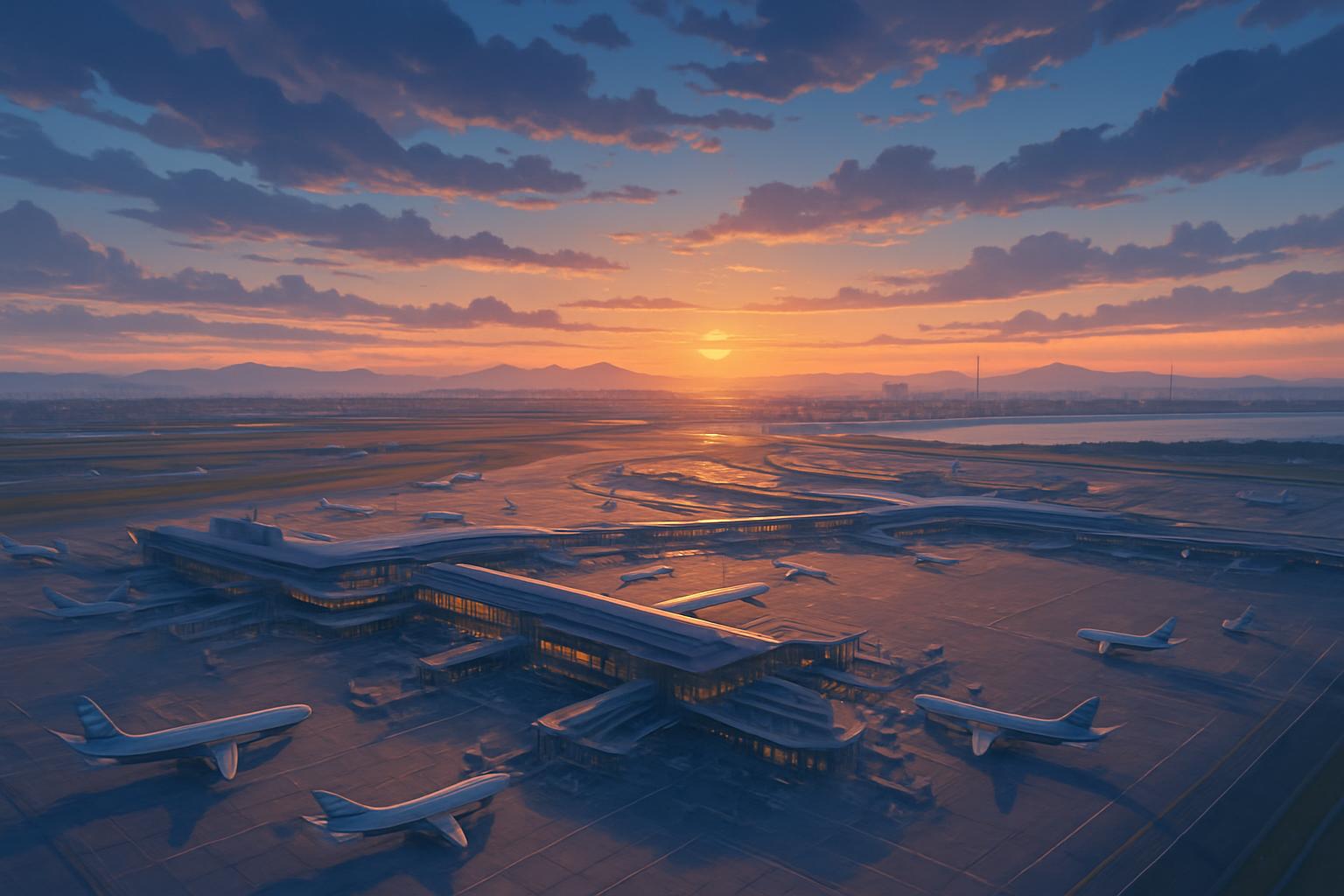
Takingacommercialflightfroma U.S. airport generallyrequiresaboardingpasstogetanywherenearagate.
從美國機場搭乘商業航班,通常需要登機證才能靠近登機口。
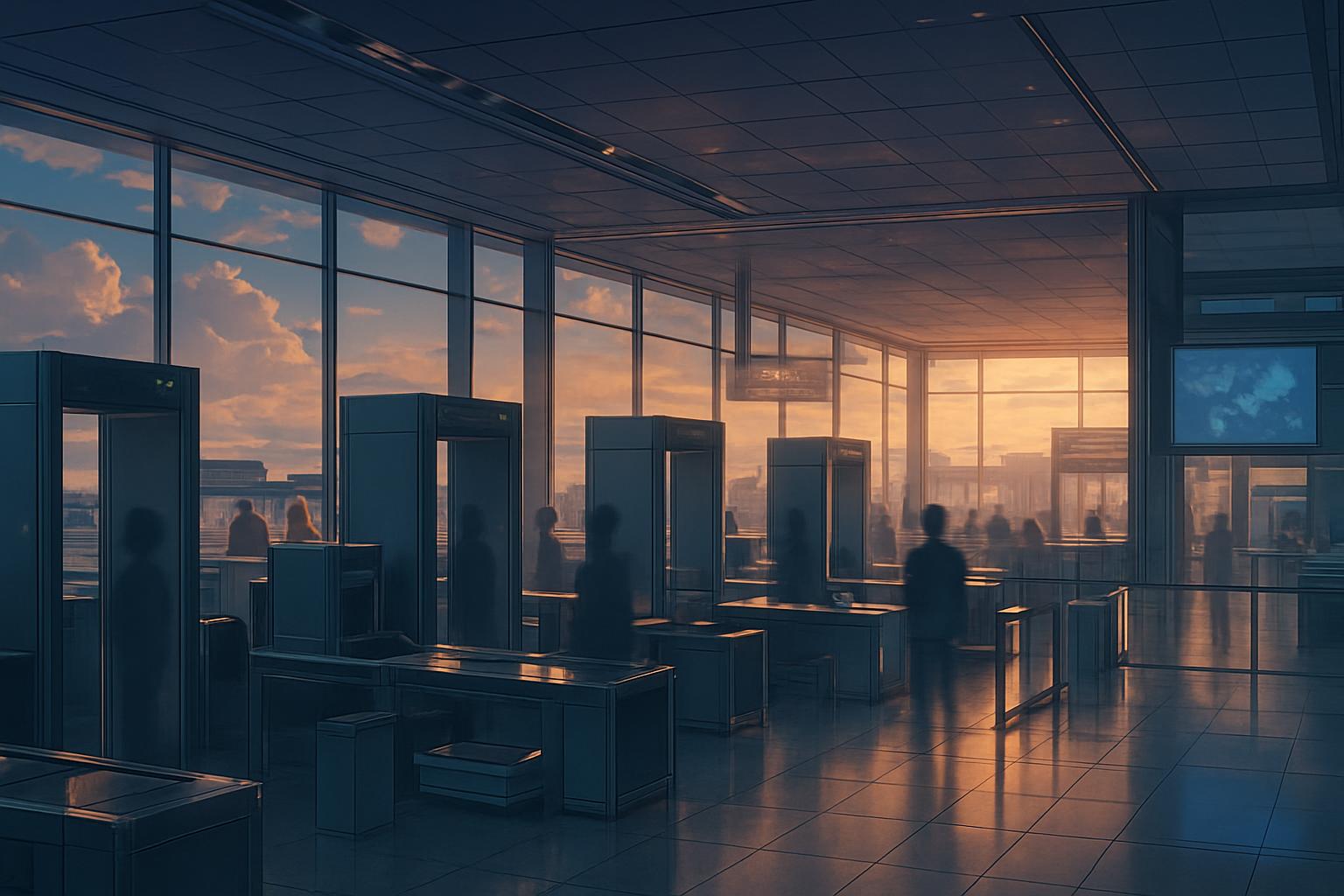
Travelersmustgothroughsecurityscreeningcontrolledbythefederalgovernment.
旅客必須接受聯邦政府控制的安全檢查。
Theyalsohavetopaycarefulattentiontothecontentsoftheircarry-onbags.
他們還必須仔細檢查隨身行李中的物品。
Itwasn’talwaysthisway.
以前並非如此。
Inthepast, travelerspassedthroughsecuritycheckpointsstaffedbyprivatecontractorschosenbyairlines.
過去,旅客需要透過由航空公司選擇的私人承包商營運的安全檢查站。
Full-sizedbottlesofshampooandcansofshavingcreamweren’ttossedforexceedingliquidlimits.
整瓶洗髮精和罐裝刮鬍膏不會因為超過液體限製而被丟棄。
Friendsandfamilycouldgotothegatesandhugpassengersgoodbye.
親朋好友可以到登機口擁抱乘客道別。
Thesecuritysystemtodaywasbuiltlayerbylayer, oftenafterattacksorattemptsrevealedvulnerabilities.
如今的安全系統是一層一層建構起來的,通常是在攻擊或企圖暴露漏洞之後才逐步建構的。
MarySchiavo, anaviationdisasterattorney, notedthatattacksonaviationdrawglobalattentionbecausetheyconnecttheworld.
航空災難律師瑪麗夏沃指出,航空攻擊之所以會引起全球關注,是因為它們將世界連結在一起。
Asthe25thanniversaryof9/11drawsnear, welookathowattackslikeitandthePanAmFlight 103bombingchangedairlinesecurity.
隨著 9/11 事件 25 週年紀念日的臨近,我們回顧了類似事件和泛美航空 103 號航班爆炸案是如何改變航空安全狀況的。
Sept. 11, 2001, changedairtraveldramatically.
2001年9月11日,航空旅行發生了翻天覆地的變化。
Nineteenal-Qaidahijackerstookcontroloffourplanes, crashingtwointotheWorldTradeCenterandoneintothePentagon.
19名蓋達組織劫機者控制了四架飛機,其中兩架撞向世界貿易中心,一架撞向五角大廈。
Beforethis, authoritiesthoughthijackerswouldnegotiateratherthancrashplanes.
在此之前,當局認為劫機者會進行談判而不是墜毀飛機。
Changesweremadeevenbeforethe9/11Commissionpointedoutfailuresthatallowedtheplottohappen.
甚至在 9/11 委員會指出導致陰謀發生的失誤之前,就已經做出了一些改變。
TheFederalAviationAdministrationrestrictedairportaccesstoticketedpassengersandbannedknives.
美國聯邦航空管理局限制只有持票乘客才能進入機場,並禁止攜帶刀具。
Thehijackersusedsmallknivestothreatenpassengersandtakecontroloftheplanes.
劫機者使用小刀威脅乘客,並控制了飛機。
CongresscreatedtheTransportationSecurityAdministrationtomanagesecurityscreening.
國會設立了運輸安全管理局,負責管理安全檢查。
Newlawsrequiredstrongercockpitdoorsandmorefederalairmarshalsonflights.
新法律要求使用更堅固的駕駛艙門,並在航班上配備更多聯邦空中執法人員。
Everycheckedbaghadtobescreenedforexplosives.
所有托運行李都必須接受爆炸物檢查。
LongerscreeningtimesledTSAtofindwaystomovepre-checkedtravelersthroughfaster.
安檢時間延長促使美國運輸安全管理局 (TSA) 尋找方法,加快已預先辦理安檢的旅客的通關速度。
TSAusedwatchlistchecksandbackgroundcheckstoassesspassengerrisk.
美國運輸安全管理局(TSA)使用監視名單核查和背景調查來評估乘客風險。
Selectedpassengersfacedmoreintensivechecks.
部分乘客接受了更嚴格的檢查。
Civillibertiesadvocateswarnedthatthiscouldpromotediscriminationbasedonraceorreligion.
公民自由倡導者警告說,這可能會助長基於種族或宗教的歧視。
Thesecurityflawsafter 9/11highlightedyearsofefforttoaddresssecuritygapsfrompriorattacks.
911事件後暴露出的安全漏洞凸顯了多年來為解決先前攻擊造成的安全漏洞所做的努力。
AbombdestroyedPanAmFlight 103in 1988, killingallaboard.
1988年,泛美航空103號班機被炸彈摧毀,機上人員全數罹難。
AuthoritiesfoundanexplosivedevicehiddeninasuitcasethatwascheckedinMalta.
當局在馬耳他托運的一個行李箱中發現了一枚隱藏的爆炸裝置。
Thisincidentledtosignificantchangesinaviationsecurity, accordingtoformerFAAAdministratorJaneGarvey.
據美國聯邦航空管理局前局長簡·加維稱,這起事件導致航空安全發生了重大變化。
TheFAAordered U.S. airlines in EuropeandtheMiddleEasttoX-raycheckedbaggage.
美國聯邦航空管理局命令在歐洲和中東的美國航空公司對托運行李進行 X 光檢查。
Randomchecksandconfirmationofcheckedbags’ownershipwerealsorequired.
此外,還需要進行隨機檢查並確認托運行李的所有權。
TheFAAstartedtestingairportsecuritysystemscovertly.
美國聯邦航空管理局開始秘密測試機場安保系統。
On Sept. 10, 2001, theyidentifiedexplosivedevicesasthebiggestairlinerthreat.
2001年9月10日,他們認定爆炸裝置是客機面臨的最大威脅。
RichardReidattemptedtodetonateexplosivesinhisshoesonAmericanAirlinesFlight 63in 2001.
2001 年,理查德·里德試圖在美國航空 63 號航班上引爆藏在鞋子裡的炸藥。
ThisledTSAtorequirepassengerstoremovetheirshoesduringsecuritychecks.
因此,美國運輸安全管理局要求乘客在安檢時脫鞋。
In 2009, anotherpassengertriedtodetonateexplosiveshiddeninhisunderwear.
2009年,另一名乘客試圖引爆藏在內褲裡的炸藥。
TSAbegantestingfull-bodyscanners, whicharenowcommon.
美國運輸安全管理局(TSA)開始測試全身掃描儀,現在這種掃描儀已經很常見了。
Securityscreeningcontinuestoevolve, withTSAexpandingfacialrecognitiontechnology.
安檢措施不斷發展,美國運輸安全管理局(TSA)正在擴大人臉辨識技術的使用。
Newplanesmusthavearetractablesecuritygatebetweenthecabinandflightdeck.
新飛機必須在客艙和駕駛艙之間安裝可伸縮的安全門。
TheAirLinePilotsAssociationwantsthisaddedtoexistingplanes.
美國航空公司飛行員協會希望將這項技術加到現有飛機上。
SheldonJacobson, aprofessor, statedthatwhileonelayerofsecuritycanfail, togethertheycreateresilience.
謝爾頓·雅各布森教授指出,雖然一層安全措施可能會失效,但它們結合起來就能產生韌性。
Taking a commercial flight from a U.S. airport generally requires a boarding pass to get anywhere near a gate.
Travelers must go through security screening controlled by the federal government.
They also have to pay careful attention to the contents of their carry-on bags.
It wasn’t always this way.
In the past, travelers passed through security checkpoints staffed by private contractors chosen by airlines.
Full-sized bottles of shampoo and cans of shaving cream weren’t tossed for exceeding liquid limits.
Friends and family could go to the gates and hug passengers goodbye.
The security system today was built layer by layer, often after attacks or attempts revealed vulnerabilities.
Mary Schiavo, an aviation disaster attorney, noted that attacks on aviation draw global attention because they connect the world.
As the 25th anniversary of 9/11 draws near, we look at how attacks like it and the Pan Am Flight 103 bombing changed airline security.
Sept. 11, 2001, changed air travel dramatically.
Nineteen al-Qaida hijackers took control of four planes, crashing two into the World Trade Center and one into the Pentagon.
Before this, authorities thought hijackers would negotiate rather than crash planes.
Changes were made even before the 9/11 Commission pointed out failures that allowed the plot to happen.
The Federal Aviation Administration restricted airport access to ticketed passengers and banned knives.
The hijackers used small knives to threaten passengers and take control of the planes.
Congress created the Transportation Security Administration to manage security screening.
New laws required stronger cockpit doors and more federal air marshals on flights.
Every checked bag had to be screened for explosives.
Longer screening times led TSA to find ways to move pre-checked travelers through faster.
TSA used watchlist checks and background checks to assess passenger risk.
Selected passengers faced more intensive checks.
Civil liberties advocates warned that this could promote discrimination based on race or religion.
The security flaws after 9/11 highlighted years of effort to address security gaps from prior attacks.
A bomb destroyed Pan Am Flight 103 in 1988, killing all aboard.
Authorities found an explosive device hidden in a suitcase that was checked in Malta.
This incident led to significant changes in aviation security, according to former FAA Administrator Jane Garvey.
The FAA ordered U.S. airlines in Europe and the Middle East to X-ray checked baggage.
Random checks and confirmation of checked bags’ ownership were also required.
The FAA started testing airport security systems covertly.
On Sept. 10, 2001, they identified explosive devices as the biggest airliner threat.
Richard Reid attempted to detonate explosives in his shoes on American Airlines Flight 63 in 2001.
This led TSA to require passengers to remove their shoes during security checks.
In 2009, another passenger tried to detonate explosives hidden in his underwear.
TSA began testing full-body scanners, which are now common.
Security screening continues to evolve, with TSA expanding facial recognition technology.
New planes must have a retractable security gate between the cabin and flight deck.
The Air Line Pilots Association wants this added to existing planes.
Sheldon Jacobson, a professor, stated that while one layer of security can fail, together they create resilience.
Play News
or click any sentence to play
More News coming up