



Artemis II's Historic Lunar Mission Successful

ArtemisIIstartedwithfireandendedwithwater.
阿爾忒彌斯二號以火開始,以水結束。
ThespaceflightbeganonApril 1.
太空飛行於4月1日開始。
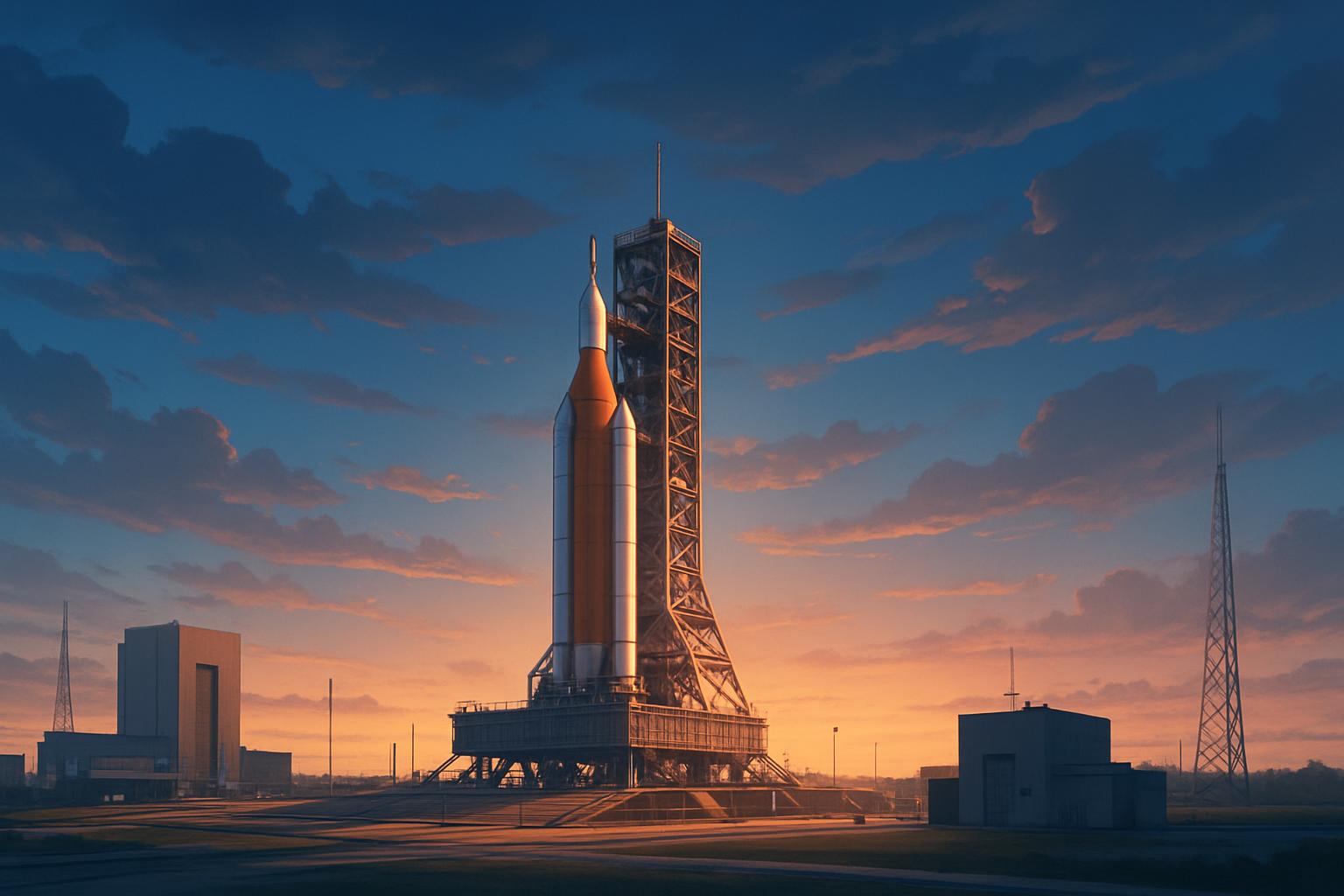
ThatiswhenthecrewlaunchedfromNASA'sKennedySpaceCenterin Cape Canaveral, Florida.
當時,太空人從位於佛羅裡達州卡納維爾角的美國太空總署甘迺迪太空中心發射升空。
Thelaunchwaspoweredbysixrocketenginesthatshotflames.
發射過程中使用了六台火箭發動機,發動機噴出火焰。
ThemissionendedonApril 10.
任務於4月10日結束。
That'swhenthespacecraftcapsulelandedsoftlyintheoceannear San Diego, California.
就在這時,太空船返回艙在加州聖地牙哥附近的海域輕柔著陸。
Withthelanding, thefourastronautsonboard, CommanderReidWiseman, PilotVictorGlover, andMissionSpecialistsJeremyHansenandChristinaKoch, successfullycompletedthefirstcrewedmissiontotheMoonin54 years.
隨著登月成功,機上四名太空人——指揮官里德·懷斯曼、飛行員維克托·格洛弗以及任務專家傑里米·漢森和克里斯蒂娜·科赫——成功完成了54年來首次載人登月任務。
NASAAdministratorJaredIsaacmancalledit'thegreatestadventureinhumanhistory.'
美國國家航空暨太空總署局長賈里德·艾薩克曼稱之為「人類史上最偉大的冒險」。
ArtemisIIflewaroundthefarsideoftheMoon.
阿爾忒彌斯二號繞月球背面飛行。
Thecrewtraveled 252,756 miles fromhome.
機組人員從家鄉飛行了 252,756 英里。
ThisisthefarthestfromEarthanyonehastraveledbefore.
這是人類迄今為止距離地球最遠的地方。
ThemissionwasthesecondintheArtemisprogram, whichNASAdescribesas'aseriesofincreasinglycomplexmissionsthatwillenablehumanexplorationontheMoonandfuturemissionstoMars.'
這次任務是阿爾忒彌斯計畫的第二次任務,美國太空總署將該計畫描述為「一系列日益複雜的任務,這些任務將使人類能夠探索月球並進行未來的火星任務」。
ArtemisIwasanuncrewedmissionthatorbitedtheMoonin 2022.
阿爾忒彌斯一號是2022年執行的繞月無人探測任務。
ArtemisIIhadseveralgoals.
Artemis II 有幾個目標。
IttestedtwoNASAvehicles:theOrionspacecraft, whichhousedtheastronauts, andtheSpaceLaunchSystem (SLS), ahugerocketthatsentthespacecraftintoorbit.
它測試了美國太空總署的兩款太空船:載有太空人的獵戶座太空船和將太空船送入軌道的巨型火箭——太空發射系統(SLS)。
Themissionalsoallowedtheastronautstocaptureover 7,000 imagesofthelunarsurfaceandasolareclipse.
這項任務還讓太空人拍攝了 7000 多張月球表面照片和一次日食照片。
Therewereseveralchallenges.
面臨諸多挑戰。
Theastronautsflewinaspacecraftthathadnevertransportedpeople.
太空人乘坐的是一艘從未載人飛行過的太空船。
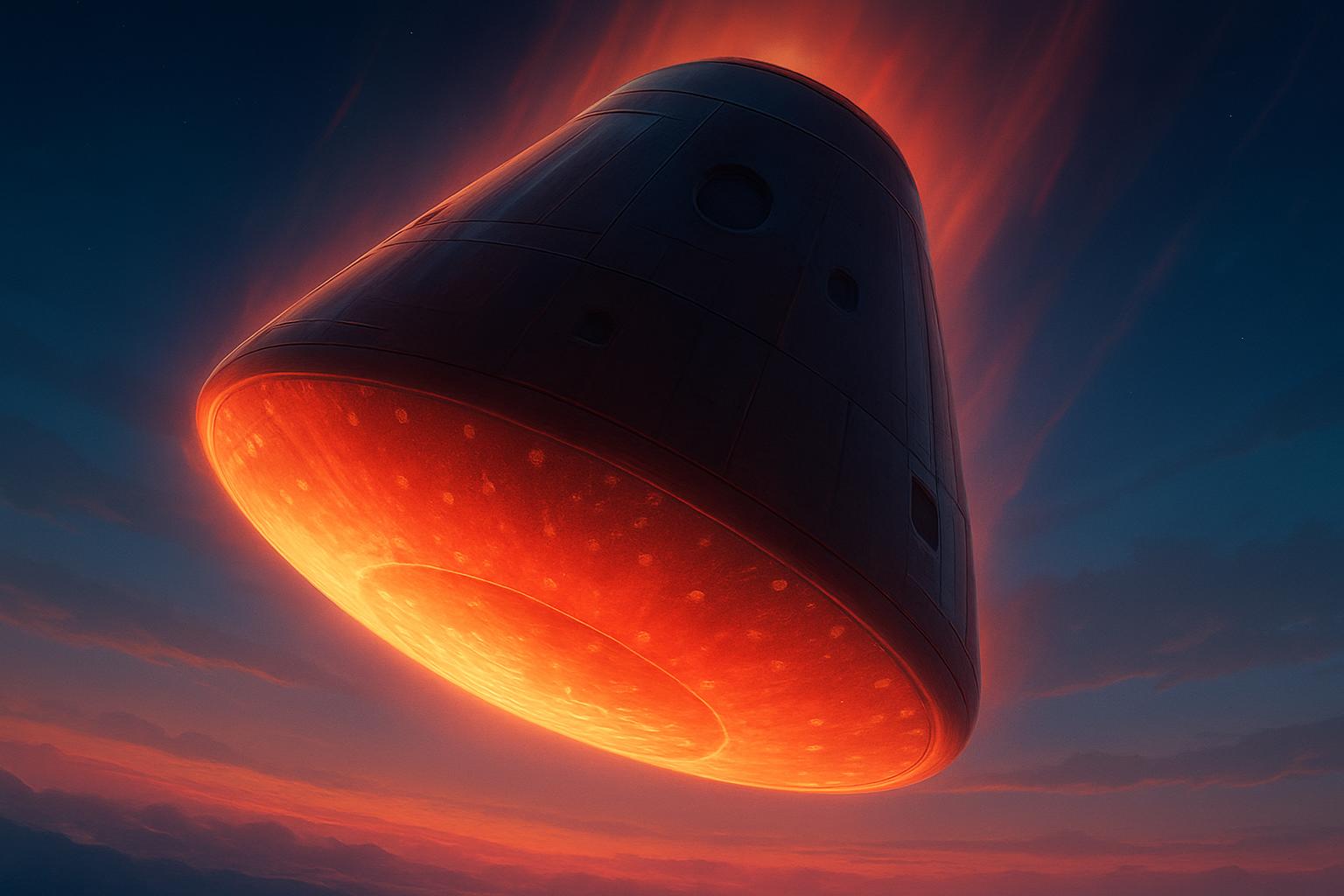
TheyreenteredtheEarth'satmosphereonatrajectorythathadneverbeentried.
它們以一條從未有人嘗試過的軌跡重返地球大氣層。
AndtheywereprotectedbyathermalshieldthathadfailedduringtheArtemisImission.
他們原本受到隔熱罩的保護,但該隔熱罩在阿爾忒彌斯一號任務中失效了。
TheshieldwasmodifiedforArtemisII.
阿爾忒彌斯二號的盾牌經過了改造。
Beforethecrew'sreturn, AmitKshatriya, NASA'sAssociateAdministrator, saidhehad'fullconfidence'inalltheteams.
在太空人返回地球之前,美國太空總署副局長阿米特·克沙特里亞表示,他對所有團隊都「充滿信心」。
ThatconfidencewasrewardedonApril 10whenthecrewreturnedtoEarth.
4月10日,太空人返回地球,他們的信心得到了回報。
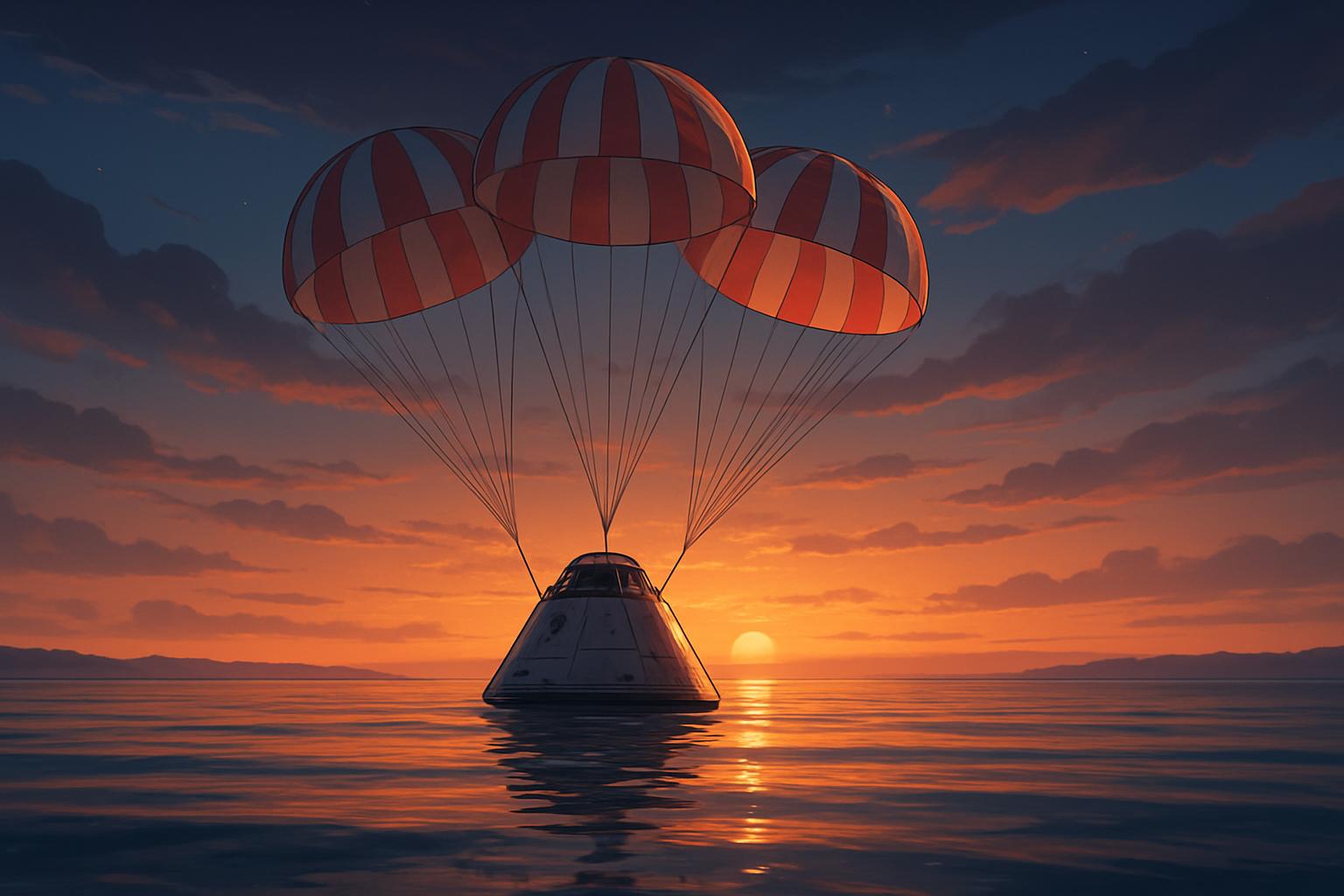
Thecapsulewassloweddownbythreelargeparachutesbeforehissingintotheoceanandsettlingonthewaves.
太空艙在三個大型降落傘的減速下,嘶嘶地墜入大海,最終落在海浪上。
'Theentry, descent, andlandingsystemsworkedasdesigned,' Kshatriyasaidinapressreleaseafterthesplashdown.
「進入、下降和著陸系統均按設計運行,」克沙特里亞在濺落後的新聞稿中表示。
ArtemisIIaimedtoansweronequestion:Arehumansreadytotravelfurtherintospace?
阿耳忒彌斯二號旨在回答一個問題:人類是否準備好向更遠的太空旅行?
WithArtemisIII, NASAhopestoorbitEarthwhiletestinglunarmodulesin 2027.
美國太空總署希望透過阿爾忒彌斯三號計劃,在 2027 年繞地球軌道飛行並測試登月艙。
ArtemisIVandVcouldlandontheMoonin 2028.
阿爾忒彌斯四號和五號探測器預計在 2028 年登陸月球。
Asalways, therearechallengesahead.
一如既往,前方仍有挑戰。
Thebiggestconcernsthelunarmodule:itdoesn'texistyet.
登月艙最大的問題在於:它目前還不存在。
SpaceXisstillbuildingit.
SpaceX仍在建造中。
Allthatisforlater.
這些都是以後的事。
Fornow, thefocusisonthesuccessofArtemisII.
目前,重點是 Artemis II 計畫的成功。
'Thismomentbelongstothousandsofpeopleinfourteencountrieswhobuilt, tested, andtrustedthisvehicle,' Kshatriyasaid.
「這一刻屬於十四個國家的數千名參與製造、測試和信任這輛車的人們,」克沙特里亞說。
'Theirworkprotectedfourhumanlivestravelingat 25,000 miles perhourandbroughtthembacksafelytoEarth.'
“他們的工作保護了四名以每小時 25000 英里速度飛行的人類生命,並將他們安全地帶回地球。”
Artemis II started with fire and ended with water.
The space flight began on April 1.
That is when the crew launched from NASA's Kennedy Space Center in Cape Canaveral, Florida.
The launch was powered by six rocket engines that shot flames.
The mission ended on April 10.
That's when the spacecraft capsule landed softly in the ocean near San Diego, California.
With the landing, the four astronauts on board, Commander Reid Wiseman, Pilot Victor Glover, and Mission Specialists Jeremy Hansen and Christina Koch, successfully completed the first crewed mission to the Moon in 54 years.
NASA Administrator Jared Isaacman called it 'the greatest adventure in human history.'
Artemis II flew around the far side of the Moon.
The crew traveled 252,756 miles from home.
This is the farthest from Earth anyone has traveled before.
The mission was the second in the Artemis program, which NASA describes as 'a series of increasingly complex missions that will enable human exploration on the Moon and future missions to Mars.'
Artemis I was an uncrewed mission that orbited the Moon in 2022.
Artemis II had several goals.
It tested two NASA vehicles: the Orion spacecraft, which housed the astronauts, and the Space Launch System (SLS), a huge rocket that sent the spacecraft into orbit.
The mission also allowed the astronauts to capture over 7,000 images of the lunar surface and a solar eclipse.
There were several challenges.
The astronauts flew in a spacecraft that had never transported people.
They reentered the Earth's atmosphere on a trajectory that had never been tried.
And they were protected by a thermal shield that had failed during the Artemis I mission.
The shield was modified for Artemis II.
Before the crew's return, Amit Kshatriya, NASA's Associate Administrator, said he had 'full confidence' in all the teams.
That confidence was rewarded on April 10 when the crew returned to Earth.
The capsule was slowed down by three large parachutes before hissing into the ocean and settling on the waves.
'The entry, descent, and landing systems worked as designed,' Kshatriya said in a press release after the splashdown.
Artemis II aimed to answer one question: Are humans ready to travel further into space?
With Artemis III, NASA hopes to orbit Earth while testing lunar modules in 2027.
Artemis IV and V could land on the Moon in 2028.
As always, there are challenges ahead.
The biggest concerns the lunar module: it doesn't exist yet.
SpaceX is still building it.
All that is for later.
For now, the focus is on the success of Artemis II.
'This moment belongs to thousands of people in fourteen countries who built, tested, and trusted this vehicle,' Kshatriya said.
'Their work protected four human lives traveling at 25,000 miles per hour and brought them back safely to Earth.'
Play News
or click any sentence to play
More News coming up

NASA Releases Thousands of Stunning Artemis II Photos

Blue Hill Observatory: A Legacy of Weather Monitoring

Lyrids Meteor Shower: Nature's Fireworks Show

The Science Behind Potato Chips

Lyrid Meteor Shower Offers Spectacular Viewing This Spring

Humanity's Fascination with Alien Life and the Unanswered Questions

More News coming up
NASA Releases Thousands of Stunning Artemis II Photos
Blue Hill Observatory: A Legacy of Weather Monitoring
Lyrids Meteor Shower: Nature's Fireworks Show
The Science Behind Potato Chips
Lyrid Meteor Shower Offers Spectacular Viewing This Spring
Humanity's Fascination with Alien Life and the Unanswered Questions