



Lyrids Meteor Shower: Nature's Fireworks Show
Youdon’thavetowaituntilIndependenceDayforalightshowinthesky.
你不必等到獨立紀念日才能欣賞到天空中的燈光秀。
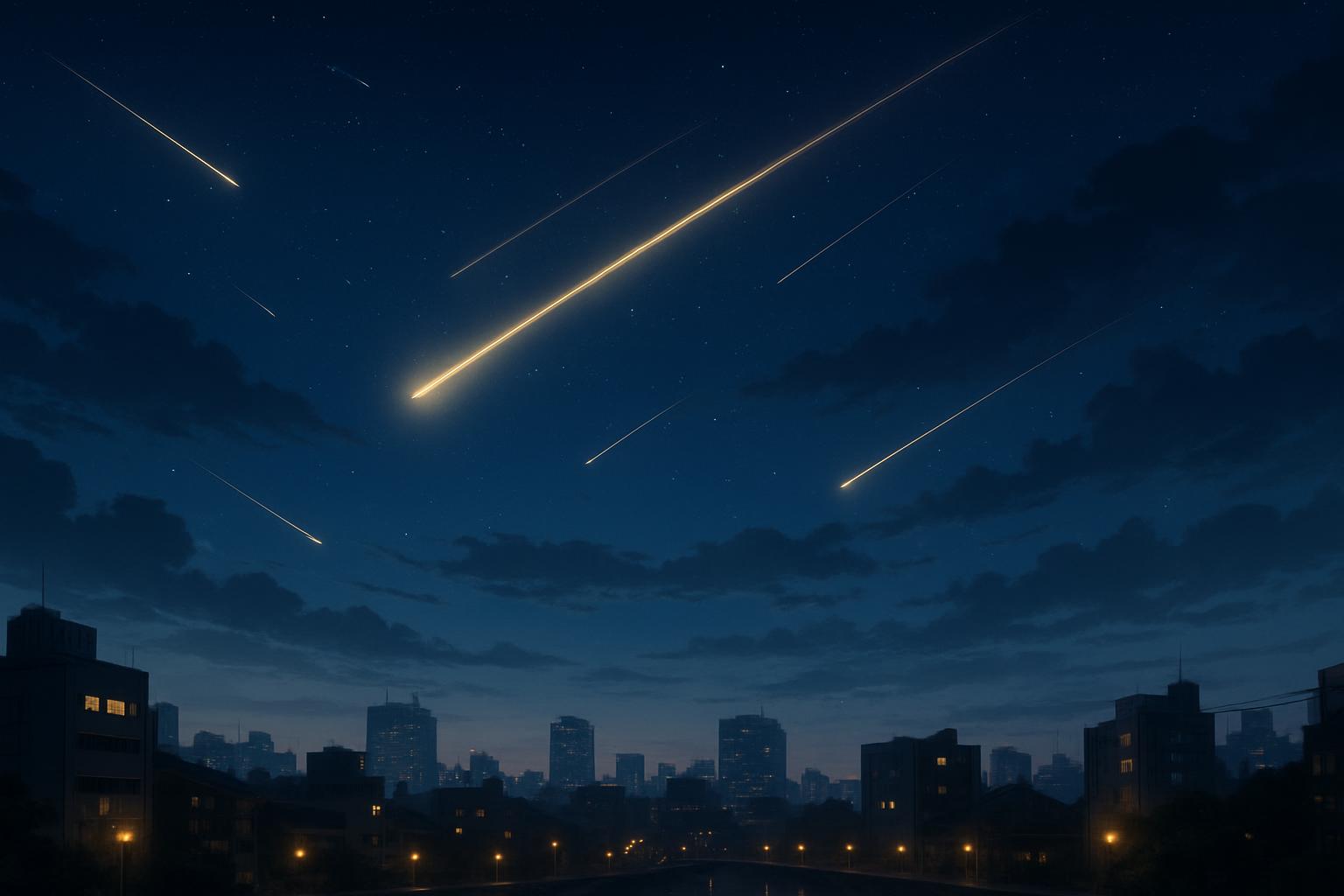
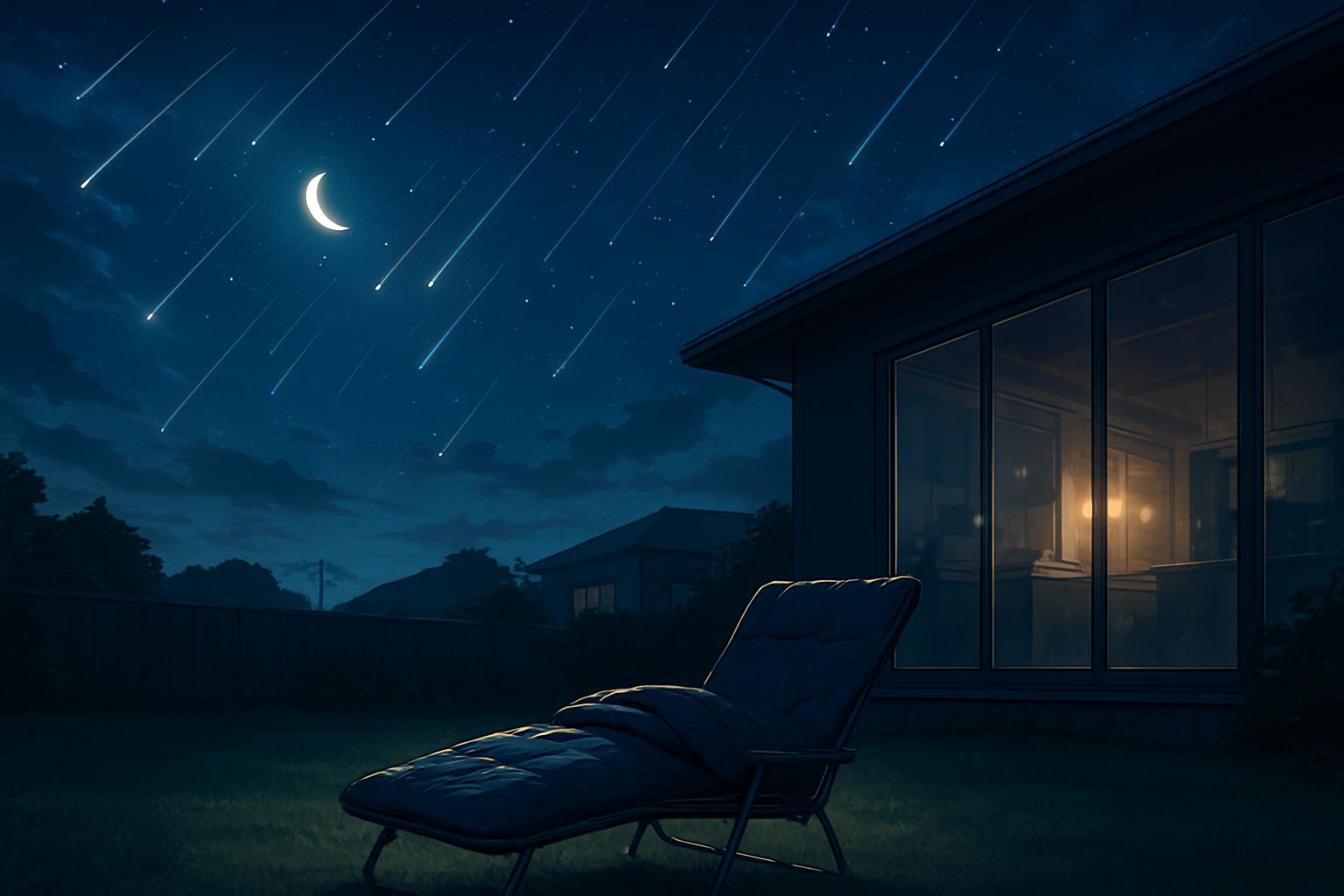
Anaturalfireworksshowishappeningthisweek:theLyridsmeteorshower, whichexpertssaywillprobablycontinuethroughApril 30.
本週將上演天然煙火秀:天琴座流星雨,專家表示,這場流星雨可能會持續到4月30日。
Meteorshowersareanaturaloccurrence.
流星雨是一種自然現象。
AsEarthswingsaroundthesun, itsometimespassesthroughthedebris—rocks, dust, andsand—trailingacomet.
地球繞太陽公轉時,有時會穿過彗星拖曳的碎片-岩石、塵埃和沙子。
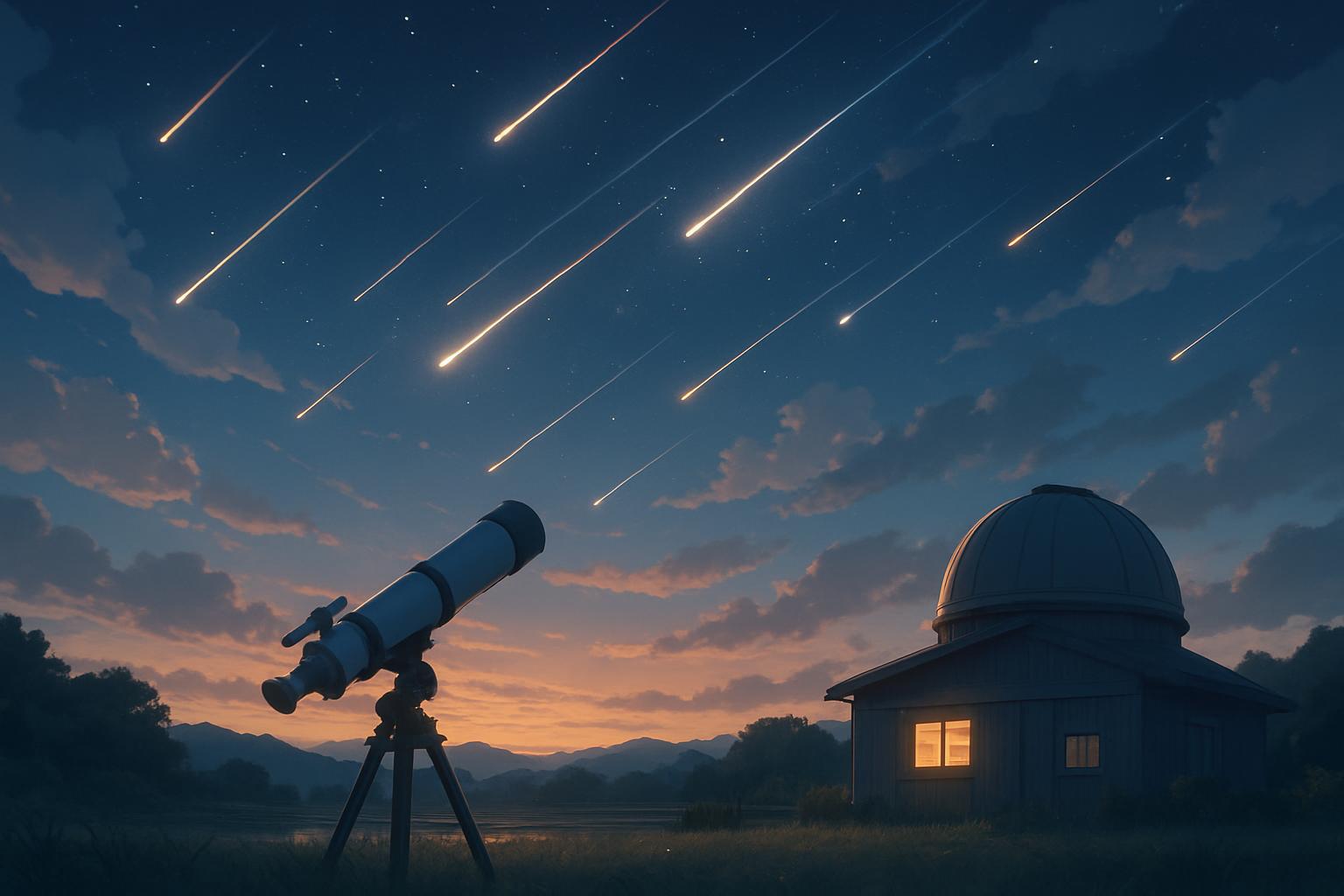
ThatdebrisburnsupinEarth’satmosphere.
這些碎片會在地球大氣層中燃燒殆盡。
Asitdoes, itcreatesastreakoflight, orashootingstar, visibleinthenightsky.
這樣做時,會在夜空中產生一道光跡,也就是流星。
Shootingstarsaren’tstars.
流星不是星星。
They’remeteors.
它們是流星。
Whenyouseeone, you’reseeingsmallpiecesofrockordustfromspaceenteringEarth’satmosphereatveryhighspeeds.
當你看到這種現象時,你看到的是來自太空的微小岩石或塵埃碎片以極高的速度進入地球大氣層。
TheLyridsmeteorshowercomeseveryyear.
天琴座流星雨每年都會出現。
It’stypicallyvisiblefromEarthduringthesecondhalfofApril.
通常在四月下半月從地球上可以看到它。
ThisshoweriscausedbydebrisfromacometnamedThatcher, whichorbitsthesun.
這場雨是由一顆名為柴契爾的彗星的碎片造成的,這顆彗星繞著太陽運行。
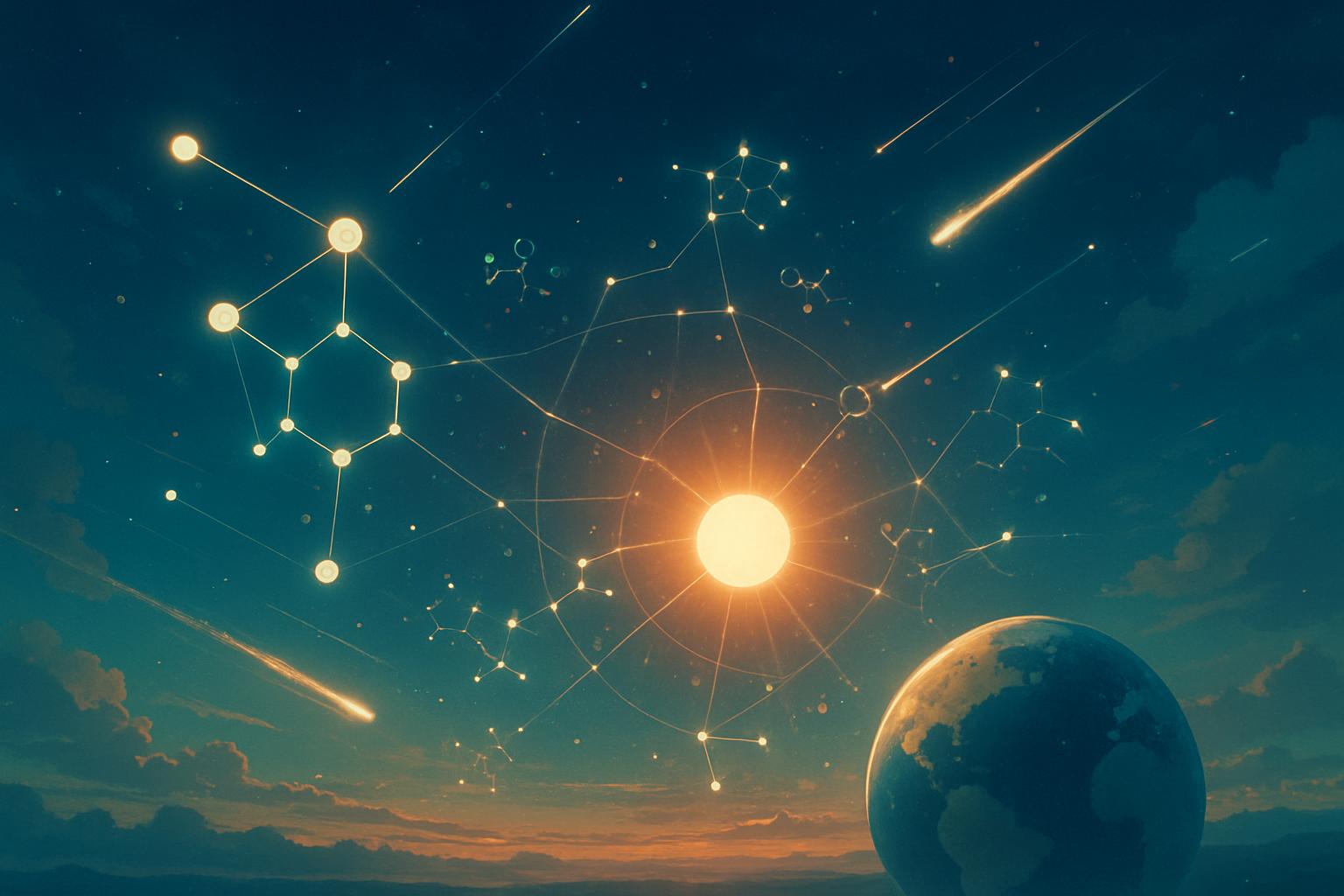
WhenEarthpassesthroughitsdebris, theLyridsshoweroccurs.
當地球穿過其碎片帶時,就會出現天琴座流星雨。
Thisyear, theLyridshavebeenactivesinceApril 14.
今年,天琴座流星雨從4月14日開始活躍。
Ifyouwanttocatchtheshow, you’llneedaclearskywithnomoonorclouds.
如果你想觀看這場天文奇觀,你需要一個晴朗無雲、沒有月亮的天空。
You’llalsoneedtostayuplate.
你還需要熬夜。
TheAmericanMeteorSocietywebsiteexplainsthattheseshowersarebestseenaftermidnight.
美國流星協會網站解釋說,這些流星雨在午夜後觀測效果最佳。
MichelleNicholsisthedirectorofpublicobservingattheAdlerPlanetarium, in Chicago, Illinois.
米歇爾·尼科爾斯是伊利諾州芝加哥阿德勒天文館的公眾觀測主任。
Sherecommendsavoidingtelescopesorbinocularswhilewatchingameteorshower.
她建議在觀看流星雨時避免使用望遠鏡或雙筒望遠鏡。
Youjustneedyoureyesand, ideally, adarksky,” shetoldtheNewYorkTimes.
「你只需要你的眼睛,最好還能有一片漆黑的夜空,」她告訴《紐約時報》。
You don’t have to wait until Independence Day for a light show in the sky.
A natural fireworks show is happening this week: the Lyrids meteor shower, which experts say will probably continue through April 30.
Meteor showers are a natural occurrence.
As Earth swings around the sun, it sometimes passes through the debris—rocks, dust, and sand—trailing a comet.
That debris burns up in Earth’s atmosphere.
As it does, it creates a streak of light, or a shooting star, visible in the night sky.
Shooting stars aren’t stars.
They’re meteors.
When you see one, you’re seeing small pieces of rock or dust from space entering Earth’s atmosphere at very high speeds.
The Lyrids meteor shower comes every year.
It’s typically visible from Earth during the second half of April.
This shower is caused by debris from a comet named Thatcher, which orbits the sun.
When Earth passes through its debris, the Lyrids shower occurs.
This year, the Lyrids have been active since April 14.
If you want to catch the show, you’ll need a clear sky with no moon or clouds.
You’ll also need to stay up late.
The American Meteor Society website explains that these showers are best seen after midnight.
Michelle Nichols is the director of public observing at the Adler Planetarium, in Chicago, Illinois.
She recommends avoiding telescopes or binoculars while watching a meteor shower.
You just need your eyes and, ideally, a dark sky,” she told the New York Times.
Play News
or click any sentence to play
More News coming up

Blue Hill Observatory: A Legacy of Weather Monitoring
The Science Behind Potato Chips
Lyrid Meteor Shower Offers Spectacular Viewing This Spring
The Evolution of UFO Sightings and Government Investigations
Humanity's Fascination with Alien Life and the Unanswered Questions

Doctors Use Digital Twins to Treat Heart Arrhythmia

More News coming up
Blue Hill Observatory: A Legacy of Weather Monitoring
The Science Behind Potato Chips
Lyrid Meteor Shower Offers Spectacular Viewing This Spring
The Evolution of UFO Sightings and Government Investigations
Humanity's Fascination with Alien Life and the Unanswered Questions
Doctors Use Digital Twins to Treat Heart Arrhythmia