



Spring Arrives with Vernal Equinox
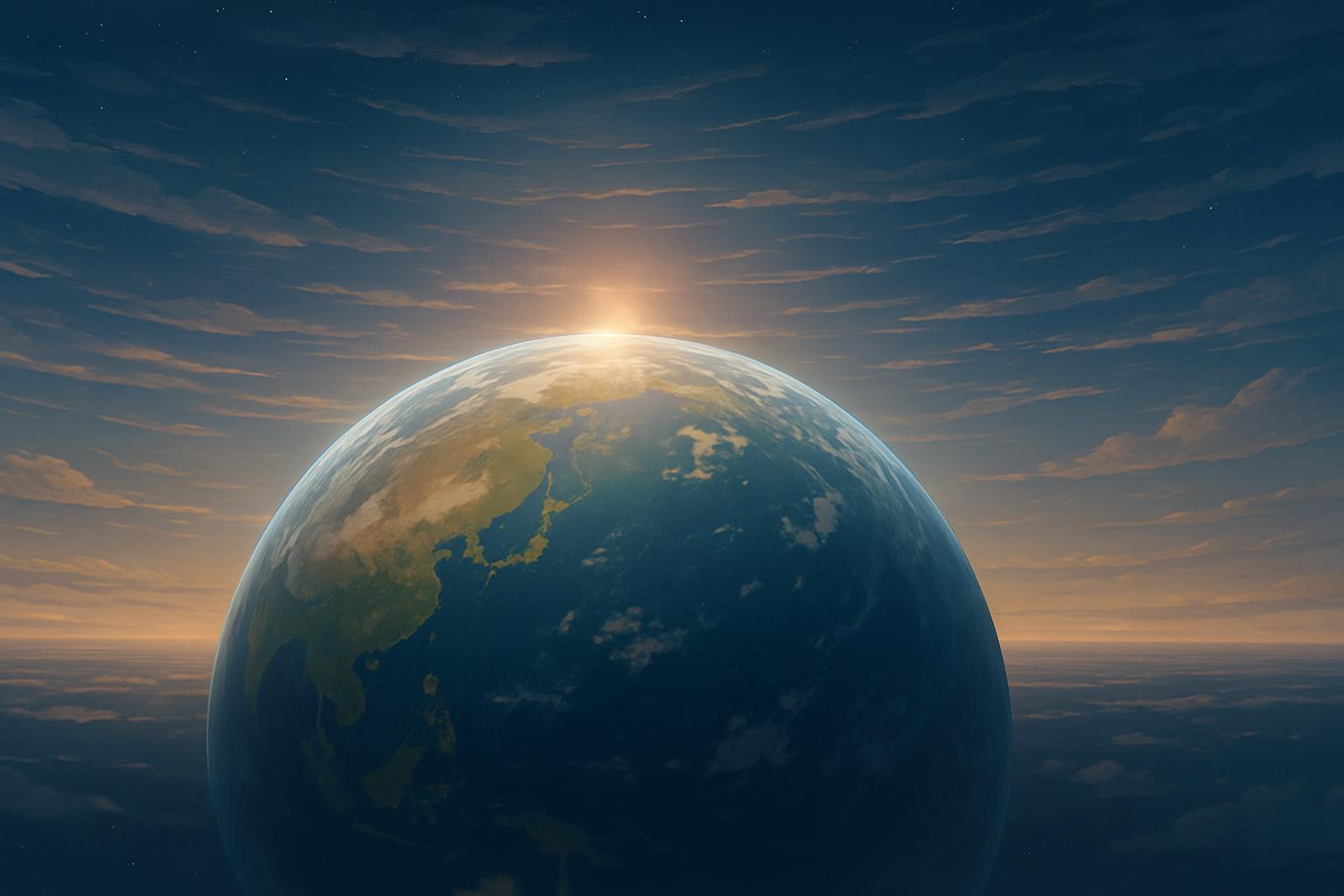
SpringarriveswiththevernalequinoxmarkingthestartoftheseasonfortheNorthernHemisphereandthefallfortheSouthernHemisphere, bringingequaldaylighttobothhemispheres.
春分標誌著北半球春季的開始,南半球秋季的開始,南北半球的白晝時間也隨之相等。
ThevernalequinoxarrivesonFriday, markingthestartofthespringseasonfortheNorthernHemisphereandthefallintheSouthernHemisphere.
春分將於週五到來,標誌著北半球春季的開始和南半球秋季的開始。
Ontheequator, thesunwillbedirectlyoverheadatnoon.
在赤道上,正午時分太陽將直射頭頂。
EquinoxesaretheonlytimeswhenboththeNorthandSouthpolesarelitbysunshineatthesametime.
春分和秋分是唯一能讓南北極同時被陽光照射的時刻。
Equinoxeshavebeenmarkedandcelebratedaroundtheworldforcenturies.
幾個世紀以來,世界各地都在慶祝和紀念春分和秋分。
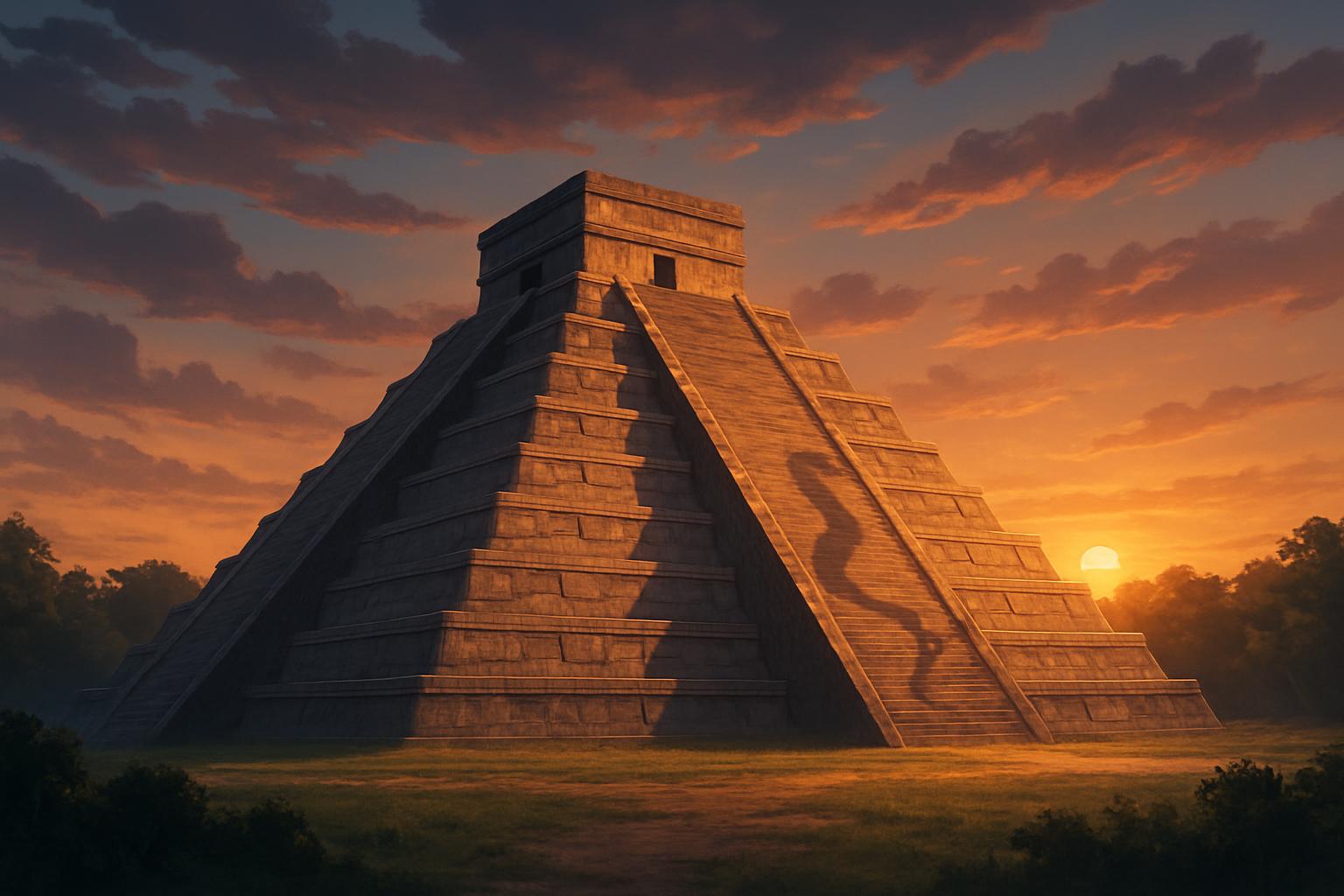
AttheMayansiteChichenItzainMexico, peoplegatherduringtheequinoxtowatchthesuncreateashadowpatternthatresemblesaserpentdescendingapyramidcalledElCastillo.
在墨西哥的瑪雅遺址奇琴伊察,人們會在春分和秋分時聚集在一起,觀看太陽投射出的陰影圖案,該圖案類似於一條蛇從一座名為埃爾卡斯蒂略的金字塔上緩緩下降。
AstheEarthtravelsaroundthesun, itdoessoatanangle, makingthesun’swarmthandlightfallunequallyonthenorthernandsouthernhalvesoftheplanetformostoftheyear.
當地球繞太陽公轉時,會以一定角度運行,導致一年中的大部分時間裡,太陽的熱量和光線照射到地球南北兩半的程度並不均勻。
Duringtheequinox, theEarth’stiltisneithertowardthesunnorawayfromthesun, soboththenorthernandsouthernhemispheresgetanequalamountofsunlight.
在春分或秋分時,地球的傾斜角度既不朝向太陽,也不背離太陽,因此南北半球都能接收到等量的陽光。
ThewordequinoxcomesfromtwoLatinwordsmeaningequalandnight.
「春分」一詞源自於兩個拉丁詞,分別意為「相等」和「夜晚」。
That’sbecauseontheequinox, dayandnightlastalmostthesameamountoftime—thoughonemaygetafewextraminutes, dependingonwhereyouareontheplanet.
這是因為在春分和秋分時,白天和黑夜的時間幾乎相同——儘管根據你在地球上的位置,你可能會多出幾分鐘。
TheNorthernHemisphere’sfall—orautumnal—equinoxcanlandbetween Sept. 21 and 24, dependingontheyear.
北半球的秋分(或稱秋季分點)可能在 9 月 21 日至 24 日之間,具體時間因年份而異。
Itsspring—orvernal—equinoxcanlandbetweenMarch 19 and 21.
它的春分(或稱春分)可能在 3 月 19 日至 21 日之間。
Theexacttimeoftheequinoxisthemomentthesunisdirectlyoverheadattheequator.
春分或秋分的確切時間是太陽直射赤道的那一刻。
For2026, it’s Friday, March 20, at 10:46 a.m. EST.
2026 年的日期是 3 月 20 日星期五上午 10:46(美國東部時間)。
Fromthere, dayswillgetalittlelongereverydayintheNorthernHemisphere—andshorterintheSouthernHemisphere—untilthesolsticeinJune.
從那時開始,北半球的白晝將一天比一天長,南半球的白晝將一天比一天短,直到六月的夏至。
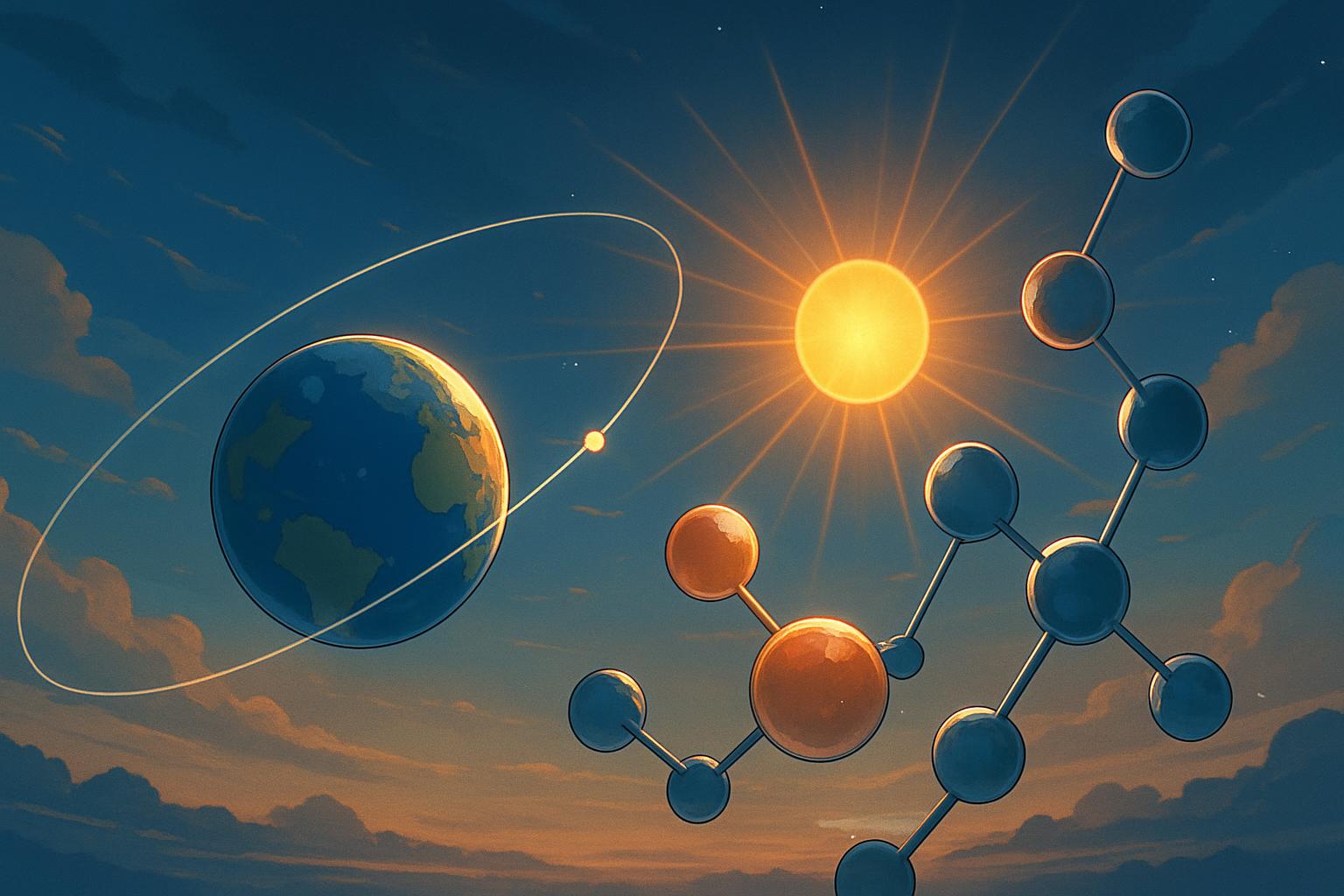
ThesolsticesmarkthetimeswhentheEarth’stiltistippedmostextremelyeithertowardorawayfromthesun.
冬至和夏至標誌著地球傾斜角度達到最大程度,即朝向太陽或背離太陽。
Thismeansthehemispheresaregettingverydifferentamountsofsunlight, anddaysandnightsareattheirmostunequal.
這意味著南北半球接收到的陽光量差異很大,晝夜時長也極不均衡。
AttheNorthernHemisphere’ssummersolstice, theEarth’supperhalfisleaningtowardthesun, creatingthelongestdayandshortestnightoftheyear.
在北半球夏至日,地球的上半部向太陽傾斜,形成一年中白晝最長、夜晚最短的一天。
ThesummersolsticefallsbetweenJune 20 and 22. Thisyearit’sthe21st.
夏至日通常在6月20日至22日之間。今年是6月21日。
TheoppositehappensattheNorthernHemispherewintersolstice:theEarth’supperhalfleansthefurthestawayfromthesun, leadingtotheshortestdayandlongestnightoftheyear.
北半球冬至時情況則相反:地球的上半部傾斜角度最大,遠離太陽,導致一年中白天最短、夜晚最長。
Thewintersolsticefallsbetween Dec. 20 and 23.
冬至日期在12月20日至23日之間。
WhileastronomicalseasonsdependonhowtheEarthmovesaroundthesun, meteorologicalseasonsaredefinedbytheweather.
天文季節取決於地球繞太陽的運動,而氣象季節則由天氣決定。
Meteorologistsbreakdowntheyearintothree-monthseasonsbasedonannualtemperaturecycles.
氣象學家根據年度氣溫週期將一年劃分為三個月的季節。
Bythatcalendar, springstartsonMarch 1, summeronJune 1, fallon Sept. 1 andwinteron Dec. 1.
依照此曆法,春季從3月1日開始,夏季從6月1日開始,秋季從9月1日開始,冬季從12月1日開始。
TheHealthandScienceDepartmentreceivessupportfromtheHowardHughesMedicalInstitute’sDepartmentofScienceEducationandtheRobertWoodJohnsonFoundation.
健康與科學係得到了霍華休斯醫學研究所科學教育部和羅伯特伍德約翰遜基金會的支持。
Theissolelyresponsibleforallcontent.
該機構對所有內容負全部責任。
Spring arrives with the vernal equinox marking the start of the season for the Northern Hemisphere and the fall for the Southern Hemisphere, bringing equal daylight to both hemispheres.
The vernal equinox arrives on Friday, marking the start of the spring season for the Northern Hemisphere and the fall in the Southern Hemisphere.
On the equator, the sun will be directly overhead at noon.
Equinoxes are the only times when both the North and South poles are lit by sunshine at the same time.
Equinoxes have been marked and celebrated around the world for centuries.
At the Mayan site Chichen Itza in Mexico, people gather during the equinox to watch the sun create a shadow pattern that resembles a serpent descending a pyramid called El Castillo.
As the Earth travels around the sun, it does so at an angle, making the sun’s warmth and light fall unequally on the northern and southern halves of the planet for most of the year.
During the equinox, the Earth’s tilt is neither toward the sun nor away from the sun, so both the northern and southern hemispheres get an equal amount of sunlight.
The word equinox comes from two Latin words meaning equal and night.
That’s because on the equinox, day and night last almost the same amount of time — though one may get a few extra minutes, depending on where you are on the planet.
The Northern Hemisphere’s fall — or autumnal — equinox can land between Sept. 21 and 24, depending on the year.
Its spring — or vernal — equinox can land between March 19 and 21.
The exact time of the equinox is the moment the sun is directly overhead at the equator.
For 2026, it’s Friday, March 20, at 10:46 a.m. EST.
From there, days will get a little longer every day in the Northern Hemisphere — and shorter in the Southern Hemisphere — until the solstice in June.
The solstices mark the times when the Earth’s tilt is tipped most extremely either toward or away from the sun.
This means the hemispheres are getting very different amounts of sunlight, and days and nights are at their most unequal.
At the Northern Hemisphere’s summer solstice, the Earth’s upper half is leaning toward the sun, creating the longest day and shortest night of the year.
The summer solstice falls between June 20 and 22. This year it’s the 21st.
The opposite happens at the Northern Hemisphere winter solstice: the Earth’s upper half leans the furthest away from the sun, leading to the shortest day and longest night of the year.
The winter solstice falls between Dec. 20 and 23.
While astronomical seasons depend on how the Earth moves around the sun, meteorological seasons are defined by the weather.
Meteorologists break down the year into three-month seasons based on annual temperature cycles.
By that calendar, spring starts on March 1, summer on June 1, fall on Sept. 1 and winter on Dec. 1.
The Health and Science Department receives support from the Howard Hughes Medical Institute’s Department of Science Education and the Robert Wood Johnson Foundation.
The is solely responsible for all content.
Play News
or click any sentence to play
More News coming up

Sonic Boom from Ohio Meteor Explosion
The Vera C. Rubin Observatory Sends Alerts about Space Discoveries
Planetary Parade in the Sky: Six Visible Planets Aligning at End of February
NASA Training New Astronauts for Future Space Travel
Countdown to NASA's Artemis II Moon Mission
February's Snow Moon to Light Up the Night Sky This Weekend

More News coming up
Sonic Boom from Ohio Meteor Explosion
The Vera C. Rubin Observatory Sends Alerts about Space Discoveries
Planetary Parade in the Sky: Six Visible Planets Aligning at End of February
NASA Training New Astronauts for Future Space Travel
Countdown to NASA's Artemis II Moon Mission
February's Snow Moon to Light Up the Night Sky This Weekend